

As a supplier of rear drum brake shoes, ensuring the proper functioning of every component is crucial for both safety and performance. One such vital component is the return spring in rear drum brake shoes. In this blog, I'll share how to check the condition of this return spring, offering practical insights and tips.
Understanding the Role of the Return Spring
The return spring in rear drum brake shoes plays a fundamental role in the braking system. When you press the brake pedal, the brake shoes are forced against the drum to create friction and slow down the vehicle. Once you release the pedal, the return spring pulls the brake shoes back to their original position. This action is essential to prevent continuous contact between the shoes and the drum, which could lead to overheating, excessive wear, and reduced fuel efficiency.
Tools Required for Inspection
Before you start checking the return spring, gather the necessary tools. You'll need a set of wrenches, a brake spring tool, a flashlight, and a magnifying glass. The wrenches are used to remove the wheel and access the brake assembly. The brake spring tool helps in safely removing and reinstalling the return spring. The flashlight and magnifying glass are useful for a detailed inspection of the spring.
Step-by-Step Inspection Process
Step 1: Preparation
First, park the vehicle on a level surface and engage the parking brake. Loosen the lug nuts on the wheel of the rear drum brake you want to inspect, but don't remove them completely. Then, use a jack to lift the vehicle and secure it on jack stands. Remove the wheel to expose the brake drum.
Step 2: Accessing the Brake Assembly
Once the wheel is off, you'll see the brake drum. In some cases, you may need to remove the dust shield to access the brake assembly. Use the appropriate wrenches to remove any bolts or clips holding the dust shield in place.
Step 3: Removing the Brake Drum
Before removing the brake drum, check if there are any retaining screws on the back of the drum. If so, remove them. Then, gently tap the drum with a rubber mallet to loosen it. If the drum is stuck, you may need to adjust the star wheel on the brake assembly to retract the brake shoes slightly. Once the drum is loose, pull it off.
Step 4: Locating the Return Spring
With the brake drum removed, you can clearly see the brake shoes and the return spring. The return spring is usually located between the two brake shoes, connecting them at the top or bottom.
Step 5: Visual Inspection
Use the flashlight and magnifying glass to closely examine the return spring. Look for any signs of damage, such as cracks, breaks, or excessive corrosion. A cracked or broken spring will not be able to perform its function properly and should be replaced immediately. Corrosion can weaken the spring over time, reducing its elasticity and effectiveness.
Step 6: Testing the Spring's Tension
To test the spring's tension, you can use a spring scale. Hook the scale onto one end of the spring and slowly pull it to stretch the spring. Compare the reading on the scale with the manufacturer's specifications. If the tension is significantly lower than the recommended value, the spring may be worn out and need replacement.
Step 7: Checking for Proper Installation
Make sure the return spring is installed correctly. It should be properly seated on the brake shoes and not twisted or misaligned. A misaligned spring can cause uneven wear on the brake shoes and affect the braking performance.
Common Issues and Solutions
- Spring Breakage: If you find a broken spring, replace it with a new one immediately. Using a damaged spring can lead to brake failure and pose a serious safety risk.
- Corrosion: If the spring shows signs of corrosion, you can try cleaning it with a wire brush. However, if the corrosion is severe, it's best to replace the spring.
- Weak Tension: If the spring's tension is too low, it may be due to wear and tear. Replace the spring to restore proper braking performance.
Importance of Regular Inspection
Regularly checking the condition of the return spring in rear drum brake shoes is essential for maintaining the safety and reliability of your vehicle's braking system. By detecting and addressing potential issues early, you can prevent costly repairs and ensure that your brakes are always in top condition.
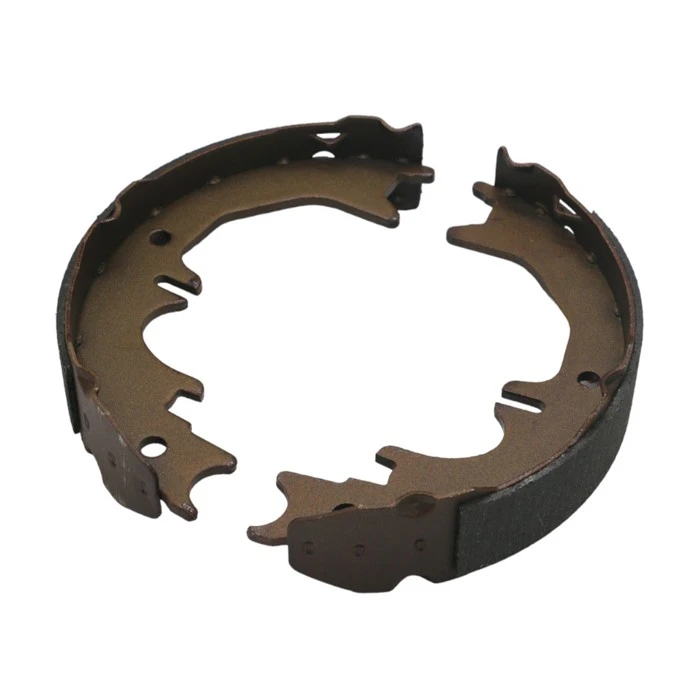
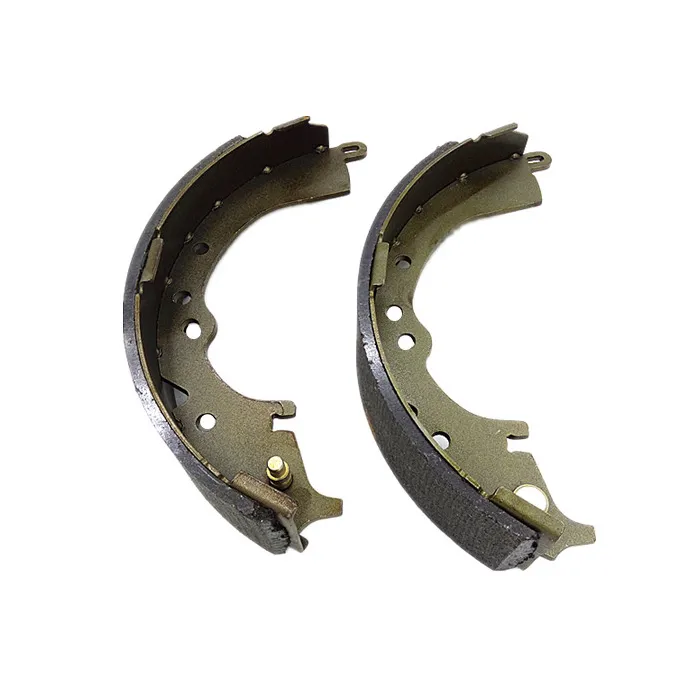
As a rear drum brake shoe supplier, we offer a wide range of high-quality brake shoes and related components. Our Automobile Brake Shoes, Handbrake Brake Shoes, and Rear Disc Parking Brake Shoes are designed to meet the highest standards of quality and performance.
If you're interested in our products or have any questions about rear drum brake shoes or the return spring inspection process, we encourage you to contact us for procurement and further discussion. We're committed to providing you with the best solutions for your braking needs.
References
- Automotive Brake Systems Manual, [Publisher Name], [Year]
- Brake Component Inspection Guide, [Organization Name], [Year]