

As a supplier of bus front brake pads, I understand the critical importance of ensuring the proper functioning and safety of these components. One key aspect of brake pad maintenance is checking for uneven wear, which can indicate underlying issues and compromise the braking performance of the bus. In this blog post, I'll share some practical steps and tips on how to check for uneven wear on bus front brake pads.
Understanding the Importance of Brake Pad Inspection
Brake pads are a vital part of a bus's braking system. They create the friction necessary to slow down or stop the vehicle. Over time, brake pads naturally wear down. However, uneven wear can lead to a variety of problems. It can cause reduced braking efficiency, increased stopping distances, and even damage to other brake components such as rotors. Regular inspection for uneven wear can help identify issues early, preventing costly repairs and ensuring the safety of passengers and drivers.
Tools Required for Inspection
Before you start checking the brake pads, gather the necessary tools. You'll need a jack and jack stands to safely lift the bus and secure it. A lug wrench is essential for removing the wheels. Additionally, a flashlight will help you get a clear view of the brake pads, and a caliper can be used to measure the thickness of the brake pads accurately.
Step-by-Step Guide to Checking for Uneven Wear
- Safety First: Park the bus on a flat, stable surface and engage the parking brake. Chock the wheels on the opposite end of the bus from where you'll be working to prevent any accidental movement. Use the jack to lift the front of the bus and place the jack stands securely under the designated lifting points. Make sure the bus is stable before proceeding.
- Remove the Wheels: Use the lug wrench to loosen the lug nuts on the front wheels. Once the lug nuts are loose, carefully remove the wheels and set them aside. This will give you direct access to the brake pads.
- Inspect the Brake Pads Visually: With the wheel removed, use the flashlight to get a clear view of the brake pads. Look for any signs of uneven wear. Uneven wear can manifest in several ways. One common indication is if one side of the brake pad is significantly thinner than the other. You might also notice that the outer edge of the brake pad is wearing faster than the inner edge, or vice versa. Another sign could be the presence of grooves or scoring on the surface of the brake pad, which may suggest an alignment issue.
- Measure the Brake Pad Thickness: Use the caliper to measure the thickness of the brake pads at multiple points. Take measurements at the outer edge, middle, and inner edge of each brake pad. Compare these measurements to the manufacturer's recommended minimum thickness. If the thickness varies significantly between different points on the same brake pad or between the two brake pads on the same wheel, it's a sign of uneven wear.
- Check the Brake Caliper: The brake caliper plays a crucial role in applying pressure to the brake pads. A malfunctioning caliper can cause uneven wear. Inspect the caliper for any signs of damage, such as leaks, corrosion, or seized pistons. If the caliper is not functioning properly, it may not apply pressure evenly to the brake pads, leading to uneven wear.
- Inspect the Brake Rotor: The brake rotor works in conjunction with the brake pads to slow down the vehicle. A warped or damaged rotor can also cause uneven wear on the brake pads. Look for any signs of scoring, grooves, or uneven surfaces on the rotor. If the rotor is damaged, it may need to be resurfaced or replaced.
- Reassemble the Wheels: Once you've completed the inspection, carefully put the wheels back on the bus and tighten the lug nuts securely. Lower the bus from the jack stands using the jack.
Common Causes of Uneven Wear
There are several factors that can contribute to uneven wear on bus front brake pads. One of the most common causes is improper brake caliper adjustment. If the caliper is not aligned correctly, it may apply more pressure to one side of the brake pad than the other, resulting in uneven wear. Another cause could be a problem with the brake line. A clogged or restricted brake line can prevent proper fluid flow, leading to uneven pressure distribution and uneven wear. Additionally, worn suspension components, such as ball joints or tie rods, can affect the alignment of the wheels and cause uneven wear on the brake pads.
Solutions to Address Uneven Wear
If you discover uneven wear on the bus front brake pads, it's important to take appropriate action. If the issue is due to a minor misalignment or adjustment problem, the brake caliper can be adjusted to ensure even pressure distribution. In some cases, the brake pads may need to be replaced. If the brake rotor is damaged, it should be resurfaced or replaced as necessary. It's also a good idea to have the suspension system checked and any worn components replaced to prevent future uneven wear.
Importance of Using Quality Brake Pads
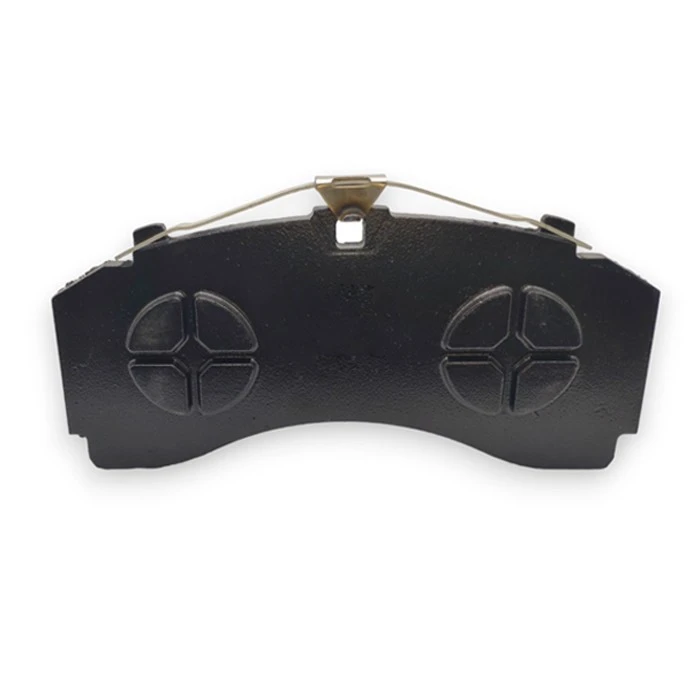
As a supplier of bus front brake pads, I highly recommend using high-quality brake pads. Quality brake pads are designed to provide consistent performance and durability. They are made from superior materials that can withstand the high temperatures and pressures generated during braking. Using inferior brake pads can not only lead to uneven wear but also increase the risk of brake failure. At our company, we offer a wide range of Commercial Brake Pads that are specifically designed for buses and other commercial vehicles. Our brake pads are engineered to meet the highest standards of quality and safety, ensuring reliable performance and long service life.
Other Related Brake Pad Products
In addition to bus front brake pads, we also offer Rear Truck Brake Pads and Transit Van Brake Pads. These products are designed to provide optimal braking performance for different types of vehicles. Whether you're looking for brake pads for a large truck or a transit van, we have the right solution for you.

Conclusion
Checking for uneven wear on bus front brake pads is an essential part of brake system maintenance. By following the steps outlined in this blog post, you can identify and address any issues early, ensuring the safety and reliability of your bus. If you have any questions or need further assistance with brake pad inspection or replacement, please don't hesitate to contact us. We're here to help you make the right choices for your braking needs. Whether you're a fleet manager, a bus operator, or a mechanic, we can provide you with the high-quality brake pads and expert advice you need. Reach out to us today to start a conversation about your brake pad requirements and let's work together to keep your vehicles safe on the road.
References
- Automotive Brake System Manuals
- Brake Pad Manufacturer's Guidelines