

How do handbrake brake shoes wear out?
As a supplier of handbrake brake shoes, I've seen firsthand the impact of wear and tear on these crucial components. Handbrake brake shoes play a vital role in ensuring the safety and functionality of a vehicle's parking brake system. Understanding how they wear out is essential for both vehicle owners and those in the automotive industry.
Friction and Abrasion
The primary cause of handbrake brake shoe wear is friction. When the handbrake is engaged, the brake shoes are pressed against the brake drum or disc. This friction generates the necessary force to hold the vehicle in place. However, over time, this constant rubbing causes the brake shoe material to wear down.
The friction material on the brake shoes is designed to withstand a certain amount of abrasion. But as the vehicle is used, the friction material gradually erodes. Factors such as the frequency of handbrake use, the weight of the vehicle, and the driving conditions can all affect the rate of wear. For example, if a vehicle is frequently parked on steep inclines, the handbrake will be under more stress, leading to faster wear of the brake shoes.
Heat Generation
Another significant factor contributing to handbrake brake shoe wear is heat. When the brake shoes come into contact with the brake drum or disc, friction generates heat. Excessive heat can cause the brake shoe material to degrade. High temperatures can lead to the hardening of the friction material, which reduces its effectiveness and increases the rate of wear.
In some cases, overheating can also cause the brake shoes to glaze. Glazing occurs when the friction material becomes smooth and shiny due to the high heat. Glazed brake shoes have reduced friction, which means they are less effective at holding the vehicle in place. This not only increases the risk of the vehicle rolling but also further accelerates the wear of the brake shoes.
Contamination
Contamination can also have a detrimental effect on handbrake brake shoes. Brake fluid leaks, oil spills, or dirt and debris can all contaminate the brake shoes. When the brake shoes are contaminated, the friction material's performance is compromised.
Brake fluid, for instance, can soften the friction material, causing it to wear more quickly. Oil can also reduce the friction between the brake shoes and the brake drum or disc, leading to decreased braking performance and increased wear. Dirt and debris can act as abrasives, scratching the brake shoe surface and accelerating the wear process.
Quality of Brake Shoes
The quality of the handbrake brake shoes themselves can also influence their wear rate. Higher-quality brake shoes are typically made from better materials and are designed to withstand more wear and tear. They often have a more uniform friction material, which provides consistent braking performance and reduces the risk of uneven wear.
On the other hand, lower-quality brake shoes may be made from inferior materials that wear out more quickly. They may also have inconsistent friction material, which can lead to uneven wear and reduced braking effectiveness. As a supplier, I always emphasize the importance of using high-quality Handbrake Brake Shoes to ensure optimal performance and longevity.
Types of Handbrake Brake Shoes and Wear Patterns
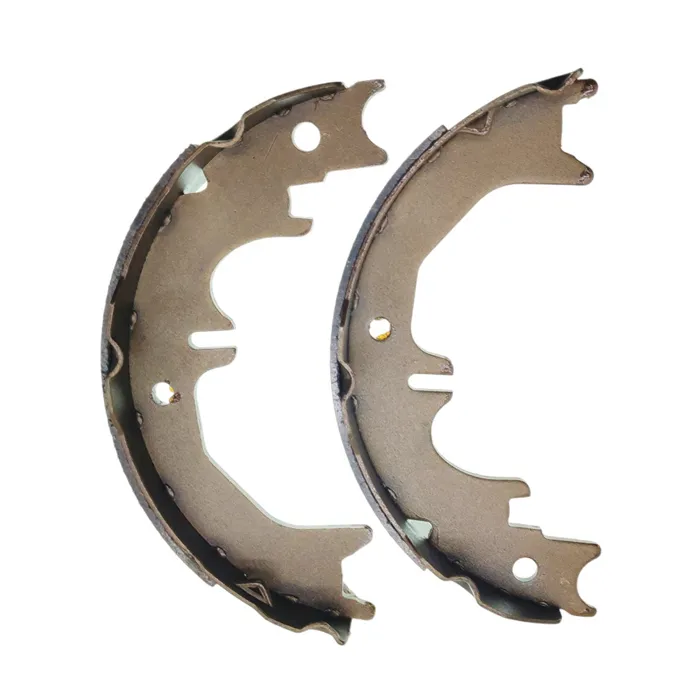
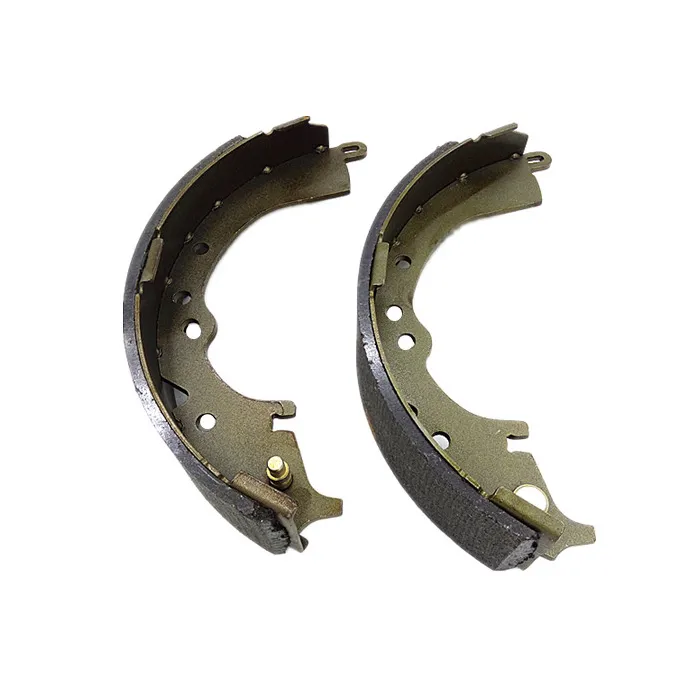
There are different types of handbrake brake shoes, such as Rear Disc Parking Brake Shoes and Trailer Drum Brake Shoes, each with its own wear patterns.
Rear disc parking brake shoes are often integrated with the rear disc brake system. These brake shoes are typically smaller and may experience different wear patterns compared to traditional drum brake shoes. They are more prone to wear on the edges due to the way they engage with the disc.
Trailer drum brake shoes, on the other hand, are designed for use on trailers. They are often subjected to heavy loads and frequent use, which can lead to faster wear. Trailer drum brake shoes may also be more susceptible to contamination, especially if the trailer is used in dirty or wet environments.
Signs of Worn Handbrake Brake Shoes
It's important for vehicle owners to be aware of the signs of worn handbrake brake shoes. Some common signs include a loose or spongy handbrake lever, a longer travel distance of the handbrake lever before the vehicle is held in place, or a grinding or squealing noise when the handbrake is engaged.
If any of these signs are noticed, it's crucial to have the handbrake brake shoes inspected and replaced if necessary. Ignoring worn brake shoes can lead to serious safety issues, such as the vehicle rolling away when parked.
Preventive Maintenance
To extend the life of handbrake brake shoes, preventive maintenance is key. Regularly inspecting the brake shoes for signs of wear, contamination, or damage can help identify potential issues early on. Keeping the brake system clean and free of debris can also reduce the risk of contamination.
It's also important to use the handbrake correctly. Avoid engaging the handbrake when the vehicle is still in motion, as this can cause excessive wear on the brake shoes. Additionally, make sure to fully release the handbrake before driving to prevent unnecessary friction and wear.
Conclusion
In conclusion, handbrake brake shoes wear out due to a combination of factors, including friction, heat, contamination, and the quality of the brake shoes themselves. Understanding these factors can help vehicle owners take better care of their handbrake systems and ensure the safety of their vehicles.
As a supplier of handbrake brake shoes, I'm committed to providing high-quality products that meet the needs of our customers. Whether you're looking for Handbrake Brake Shoes, Rear Disc Parking Brake Shoes, or Trailer Drum Brake Shoes, we have the right solution for you.
If you're interested in purchasing handbrake brake shoes or have any questions about our products, please feel free to contact us for a detailed discussion. We look forward to serving you and helping you keep your vehicles safe on the road.
References
- Automotive Brake Systems Handbook
- Brake Shoe Manufacturer's Technical Guides