

As a supplier of car rear brake shoes, I've witnessed firsthand the critical role these components play in vehicle safety, especially under various environmental conditions. Cold weather, in particular, poses unique challenges to brake performance, and understanding how car rear brake shoes fare in such conditions is essential for both drivers and industry professionals.
The Basics of Car Rear Brake Shoes
Before delving into the effects of cold weather, it's important to understand the fundamental function of car rear brake shoes. These are part of a drum brake system, which is commonly found in the rear wheels of many vehicles. When the driver presses the brake pedal, hydraulic pressure is applied to the brake shoes, causing them to expand and press against the inner surface of the brake drum. This friction slows down the rotation of the wheel, ultimately bringing the vehicle to a stop.
The materials used in rear brake shoes are carefully selected to provide optimal friction and durability. Common materials include semi - metallic, organic, and ceramic compounds, each with its own set of characteristics. Semi - metallic brake shoes, for example, are known for their high heat resistance and long lifespan, making them suitable for heavy - duty applications. Organic brake shoes, on the other hand, are quieter and produce less dust, but may have a shorter lifespan. Ceramic brake shoes offer a good balance between performance and comfort, with low noise levels and excellent braking performance.
How Cold Weather Affects Brake Performance
Cold weather can have several significant impacts on the performance of car rear brake shoes. One of the primary effects is a change in the friction coefficient between the brake shoes and the brake drum. In cold temperatures, the materials in the brake shoes and drum contract, which can reduce the contact area and the amount of friction generated. This means that it may take longer for the vehicle to come to a stop, increasing the stopping distance.
Another issue is the effect of cold weather on the brake fluid. Brake fluid is a crucial component of the braking system, as it transfers the force from the brake pedal to the brake shoes. However, brake fluid can absorb moisture over time, and in cold weather, this moisture can freeze, causing the brake lines to become blocked or the brake calipers to malfunction. This can lead to a loss of braking power or even complete brake failure.
Cold weather can also affect the elasticity of the brake shoe materials. Some materials may become more brittle in cold temperatures, which can increase the risk of cracking or breaking. This not only reduces the effectiveness of the brake shoes but can also pose a safety hazard if a piece of the brake shoe breaks off and gets lodged in the braking system.
Performance of Different Types of Rear Brake Shoes in Cold Weather
Semi - Metallic Brake Shoes
Semi - metallic brake shoes generally perform well in cold weather. The metallic components in these brake shoes have good thermal conductivity, which helps to maintain a consistent friction coefficient even in low temperatures. They are also less likely to become brittle compared to some other materials, reducing the risk of cracking. However, semi - metallic brake shoes can be noisy, especially when cold, and may produce more dust.
Organic Brake Shoes
Organic brake shoes may be more susceptible to the effects of cold weather. The organic materials can become less flexible in cold temperatures, reducing the contact area with the brake drum and decreasing the friction. This can result in longer stopping distances and reduced braking performance. Additionally, organic brake shoes may wear out more quickly in cold weather due to the increased stress on the material.
Ceramic Brake Shoes
Ceramic brake shoes offer a good compromise in cold weather. They have a relatively stable friction coefficient across a wide range of temperatures, including cold conditions. Ceramic materials are also less likely to become brittle, reducing the risk of damage. They are quiet and produce less dust, making them a popular choice for many drivers. However, ceramic brake shoes can be more expensive than other types.
Tips for Maintaining Brake Performance in Cold Weather
As a car rear brake shoes supplier, I recommend the following tips to ensure optimal brake performance in cold weather:
- Regular Inspections: Have your brakes inspected regularly, especially before the onset of cold weather. A professional mechanic can check for signs of wear, damage, and moisture in the brake system.
- Brake Fluid Maintenance: Replace the brake fluid at the recommended intervals to prevent moisture buildup. This helps to ensure that the brake fluid remains effective in cold temperatures.
- Use High - Quality Brake Shoes: Invest in high - quality brake shoes that are designed to perform well in cold weather. Consider the type of driving you do and the climate in your area when choosing brake shoes.
- Warm Up Your Brakes: Before driving at high speeds or in heavy traffic, gently apply the brakes a few times to warm them up. This can help to improve the friction coefficient and reduce the stopping distance.
Our Product Offerings
At our company, we offer a wide range of car rear brake shoes to meet the needs of different vehicles and driving conditions. Our products are made from high - quality materials and are rigorously tested to ensure optimal performance, including in cold weather.
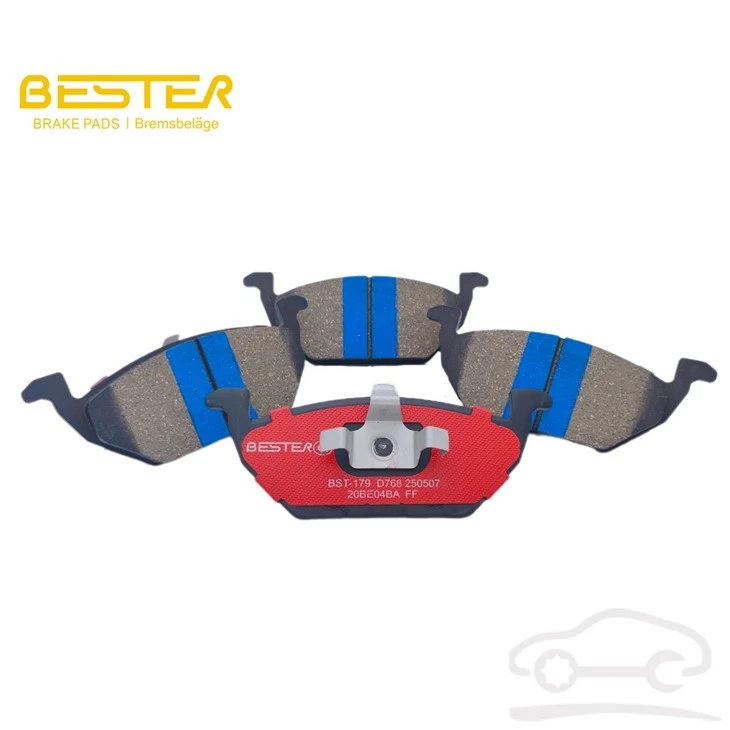
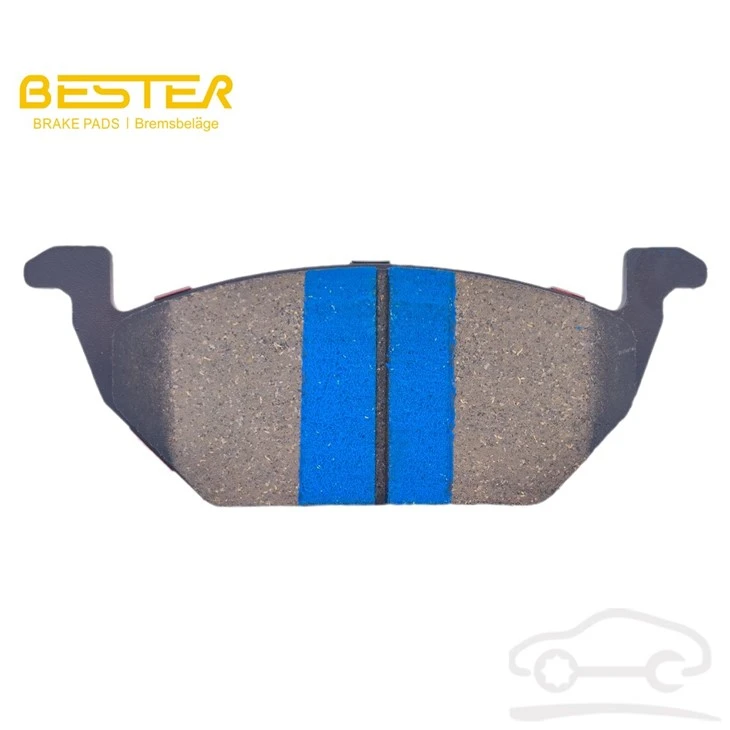
We also have a variety of other brake products available, such as Racing Brake Pads, which are designed for high - performance vehicles and offer excellent braking power. Our Ceramic Disc Front BESTER Brake Pad D768 SP1701 GDB1984 is a top - of - the - line product that provides superior performance and durability. And for those who want a quiet braking experience, our No Noise Brake Pads are an ideal choice.
Contact Us for Procurement
If you are interested in purchasing our car rear brake shoes or other brake products, we invite you to contact us for procurement discussions. We are committed to providing high - quality products and excellent customer service. Whether you are a car manufacturer, a repair shop, or an individual driver, we have the right brake solution for you.
References
- Bosch Automotive Handbook. 8th Edition.
- SAE International Technical Papers on Brake System Performance in Cold Weather.
- "Automotive Braking Systems" by David Crolla.