

When it comes to vehicle braking systems, two primary types dominate the market: brake shoes and disc brakes. As a brake shoes supplier, I've witnessed firsthand the evolution and application of both technologies. In this blog, I'll compare brake shoes and disc brakes in terms of performance, exploring their respective advantages and disadvantages to help you make an informed decision for your vehicle.
Friction and Stopping Power
One of the most critical aspects of any braking system is its ability to generate friction and convert the vehicle's kinetic energy into heat. This process is what slows down and stops the vehicle.
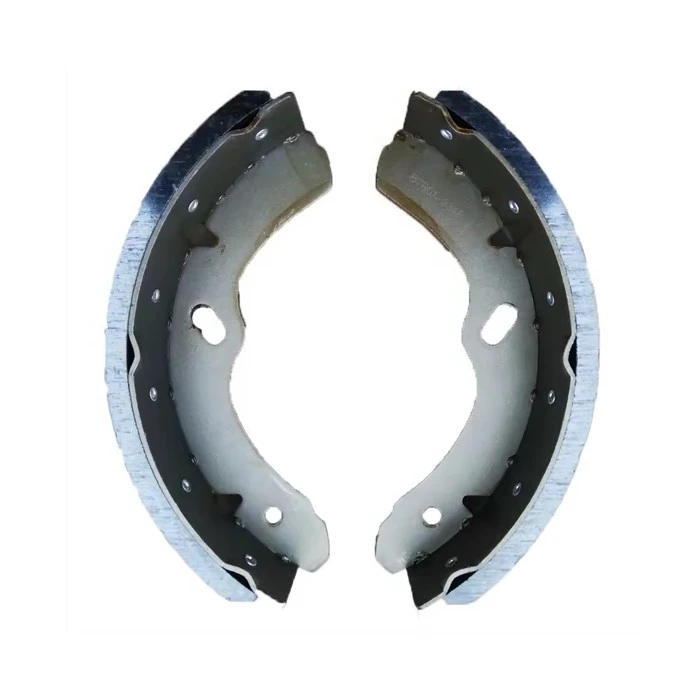
Brake shoes operate within a drum brake system. When the brake pedal is pressed, the brake shoes are forced outward against the inner surface of the brake drum. The friction between the brake shoes and the drum creates the stopping force. Brake shoes are known for their high initial bite, which means they can quickly grab the drum and start slowing the vehicle down. This is particularly useful in heavy - duty applications where a large amount of force is required to stop a massive vehicle. For example, Heavy Duty Truck Brake Shoes are designed to handle the extreme loads and stresses of commercial trucks. These shoes are made from high - friction materials that can withstand high temperatures and repeated use, ensuring reliable stopping power even under the most demanding conditions.
On the other hand, disc brakes use a caliper to squeeze brake pads against a rotating disc (rotor). Disc brakes offer more consistent friction over a wide range of temperatures. The open design of disc brakes allows for better heat dissipation, which means they are less likely to experience brake fade. Brake fade occurs when the braking system overheats, causing a reduction in friction and stopping power. In high - performance and sports cars, disc brakes are the norm because they can maintain their performance during aggressive driving and repeated hard braking.
Heat Dissipation
Heat management is a crucial factor in braking system performance. Excessive heat can lead to brake fade, reduced friction, and even damage to the braking components.
Brake shoes in drum brake systems are enclosed within the brake drum, which restricts air circulation. This limited airflow makes it difficult for the heat generated during braking to dissipate. As a result, drum brakes can heat up quickly, especially during heavy or continuous braking. When the temperature of the brake shoes and drum rises too high, the friction material can start to glaze over, reducing its ability to grip the drum effectively. However, modern drum brake designs have incorporated features to improve heat dissipation, such as ventilation holes in the drum and heat - resistant friction materials. For instance, Semi Truck Drum Brake Shoes are engineered to handle the high - heat environment of long - haul trucking, with advanced materials that can withstand extreme temperatures.
Disc brakes, as mentioned earlier, have a distinct advantage in terms of heat dissipation. The open design of the disc brake system allows air to flow freely around the rotor and caliper, carrying away the heat generated during braking. This efficient heat transfer helps to keep the brake pads and rotor at a more stable temperature, reducing the risk of brake fade. Additionally, many high - performance disc brakes feature slotted or drilled rotors, which further enhance heat dissipation and improve wet - weather performance by allowing water to escape.
Wet - Weather Performance
Driving in wet conditions can significantly affect braking performance. Water on the braking surfaces can reduce friction, making it more difficult to stop the vehicle safely.
Brake shoes in drum brakes are more susceptible to water ingress. The enclosed nature of the drum brake system means that water can get trapped inside the drum, reducing the friction between the brake shoes and the drum. When this happens, the braking performance can be severely compromised, and it may take longer to stop the vehicle. However, some drum brake systems are equipped with self - adjusting mechanisms and water - shedding features to mitigate these issues. Rear Parking Brake Shoes are often drum - based, and manufacturers have made efforts to improve their wet - weather performance through better sealing and drainage designs.
Disc brakes generally perform better in wet conditions. The open design of the disc brake allows water to be easily shed from the rotor surface. As the caliper squeezes the brake pads against the rotor, the friction generated helps to wipe away any water on the surface, quickly restoring braking performance. Additionally, the slotted or drilled rotors commonly used in disc brake systems can further enhance wet - weather performance by providing channels for water to escape.
Cost and Maintenance
Cost is an important consideration for vehicle owners and fleet managers. Both brake shoes and disc brakes have different cost structures and maintenance requirements.
Brake shoes and drum brake systems are generally less expensive to manufacture and install. The components of a drum brake system are simpler and more straightforward, which reduces production costs. This cost advantage makes drum brakes a popular choice for budget - conscious vehicle manufacturers and for applications where cost is a major factor, such as some entry - level cars and light trucks. Maintenance of drum brakes is also relatively simple. Replacing brake shoes is a relatively easy and inexpensive procedure that can be done by most DIY mechanics. However, drum brakes may require more frequent adjustments to ensure proper braking performance, as the brake shoes wear down over time.
Disc brakes, on the other hand, are more expensive to produce and install. The calipers, rotors, and brake pads of a disc brake system are more complex and require more precise manufacturing processes. Additionally, the high - performance materials used in disc brakes can add to the cost. However, disc brakes generally require less maintenance. The wear on disc brake pads is more even, and they often last longer than brake shoes. When it comes time to replace the brake pads, the process is relatively straightforward, although rotor replacement can be more expensive and may require professional installation.
Durability and Longevity
The durability and longevity of a braking system are crucial for ensuring the safety and reliability of a vehicle.
Brake shoes in drum brake systems can have a long service life if properly maintained. The friction material on the brake shoes is designed to wear gradually, and as long as the brakes are adjusted regularly and the vehicle is not subjected to excessive or abusive braking, the brake shoes can last for a significant number of miles. However, the enclosed nature of the drum brake system can make it more difficult to inspect the brake shoes for wear. If the brake shoes are not replaced in a timely manner, they can wear down to the metal backing, causing damage to the drum and reducing braking performance.

Disc brakes are also known for their durability. The materials used in disc brake pads and rotors are designed to withstand high levels of stress and wear. The open design of the disc brake system allows for easier inspection of the brake pads, making it easier to determine when they need to be replaced. Additionally, the even wear pattern of disc brake pads helps to extend their service life. However, in some cases, the rotors of a disc brake system can become warped or damaged, which may require replacement.
Conclusion
In conclusion, both brake shoes and disc brakes have their own unique advantages and disadvantages in terms of performance. Brake shoes in drum brake systems offer high initial bite, are cost - effective, and are well - suited for heavy - duty applications. They are a reliable choice for vehicles that operate under normal driving conditions and where cost is a major consideration. On the other hand, disc brakes provide better heat dissipation, superior wet - weather performance, and more consistent friction over a wide range of temperatures. They are the preferred choice for high - performance vehicles and applications that require frequent and aggressive braking.
As a brake shoes supplier, I understand the importance of providing high - quality products that meet the diverse needs of our customers. Whether you're looking for Heavy Duty Truck Brake Shoes for your commercial fleet or Rear Parking Brake Shoes for your personal vehicle, we have the expertise and products to ensure reliable braking performance.
If you're interested in learning more about our brake shoes or would like to discuss your specific requirements, please feel free to reach out. We're here to assist you in making the right choice for your vehicle's braking system and to provide you with the best possible products and service.
References
- Bosch Automotive Handbook, 8th Edition
- SAE International Technical Papers on Braking Systems
- Chilton's Auto Repair Manuals