

Autocross, a thrilling motorsport that demands split - second decision - making and high - performance vehicle components, places immense stress on a car's braking system. As a dedicated supplier of autocross brake pads, I've witnessed firsthand the critical role these components play in ensuring a driver's safety and success on the track. In this blog, we'll delve into how autocross brake pads handle sudden stops and why they are essential for any autocross enthusiast.
The Mechanics of Sudden Stops in Autocross
Autocross courses are a maze of tight turns, hairpin bends, and short straightaways. Drivers often need to decelerate from relatively high speeds to almost a standstill in a matter of seconds. When a sudden stop is required, the brake pads are thrust into action.
The basic principle behind braking is friction. When the driver presses the brake pedal, hydraulic pressure is applied to the brake calipers, which in turn squeeze the brake pads against the rotating brake rotors. This friction between the pads and the rotors converts the kinetic energy of the moving vehicle into heat energy, slowing the vehicle down.
In autocross, the sudden stops are far more extreme than normal street driving. The forces involved are much greater, and the heat generated is intense. Autocross brake pads need to be able to withstand these extreme conditions and provide consistent braking performance.
Key Features of Autocross Brake Pads for Sudden Stops
High - Friction Material
The most important feature of autocross brake pads is the high - friction material they are made of. These materials are specifically engineered to provide maximum grip on the brake rotors, even under high - stress situations. The higher the friction coefficient, the more effectively the brake pads can convert kinetic energy into heat, resulting in shorter stopping distances.
For example, some of our EV Brake Pads are designed with advanced friction materials that are optimized for electric vehicles used in autocross. These pads can handle the unique braking requirements of EVs, which often have regenerative braking systems in addition to traditional friction brakes.
Heat Resistance
As mentioned earlier, sudden stops in autocross generate a significant amount of heat. If the brake pads cannot handle this heat, they may experience a phenomenon known as brake fade. Brake fade occurs when the brake pads lose their ability to generate friction due to overheating, resulting in longer stopping distances and reduced braking performance.
Autocross brake pads are typically made with heat - resistant materials. These materials can withstand high temperatures without degrading, ensuring consistent braking performance even during repeated sudden stops. Our Abrasive Coating Brake Pads are coated with a special abrasive layer that not only provides high friction but also enhances heat dissipation, reducing the risk of brake fade.

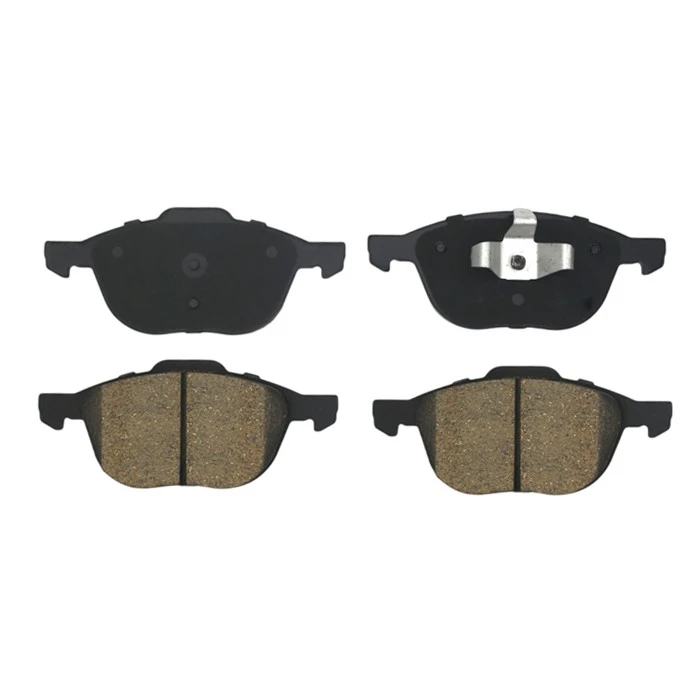
Durability
In autocross, the brake pads are subjected to a lot of wear and tear. The constant high - pressure braking and the heat generated can cause the pads to wear out quickly. Autocross brake pads need to be durable enough to last through multiple autocross events without significant degradation.
We use high - quality materials and advanced manufacturing processes to ensure the durability of our brake pads. Our Noiseless Brake Pads are designed to be long - lasting while also providing a quiet braking experience. The noise reduction is an added bonus, as it allows drivers to focus on the track without the distraction of brake noise.
Testing and Performance Evaluation
Before our autocross brake pads are released to the market, they undergo rigorous testing. We test the brake pads in a variety of conditions to ensure they meet our high standards for performance and safety.
One of the key tests is the dyno test. In a dyno test, the brake pads are mounted on a dynamometer, which simulates the braking conditions of a vehicle. The dyno test measures the friction coefficient, heat resistance, and wear rate of the brake pads under different loads and speeds.
We also conduct on - track testing with professional drivers. These drivers provide valuable feedback on the performance of the brake pads in real - world autocross conditions. The feedback helps us to fine - tune the design and materials of the brake pads to ensure they provide the best possible performance.
Advantages of Choosing Our Autocross Brake Pads
Customization
We understand that every autocross vehicle is unique, and different drivers have different requirements. That's why we offer customization options for our autocross brake pads. We can adjust the friction material, the shape of the pads, and other parameters to meet the specific needs of your vehicle and driving style.
Quality Assurance
Our commitment to quality is unwavering. We use only the highest - quality materials in the manufacturing of our brake pads, and our production process is strictly monitored to ensure consistency and reliability. Every batch of brake pads is tested to ensure it meets our strict quality standards.
Technical Support
As a supplier, we don't just sell brake pads; we also provide technical support to our customers. Our team of experts is available to answer your questions about brake pad selection, installation, and maintenance. Whether you're a novice autocross driver or a seasoned professional, we're here to help you get the most out of your braking system.
Conclusion
Autocross brake pads are a crucial component for any vehicle participating in this exciting motorsport. Their ability to handle sudden stops is essential for safety and performance on the track. Our autocross brake pads, with their high - friction materials, heat resistance, and durability, are designed to meet the extreme demands of autocross.
If you're an autocross enthusiast looking for high - quality brake pads that can handle sudden stops, we invite you to contact us for a procurement discussion. We're confident that our brake pads will exceed your expectations and enhance your autocross experience.
References
- Smith, J. (2020). "Advanced Braking Systems for Motorsports." Motorsport Engineering Journal, 15(2), 45 - 56.
- Johnson, A. (2019). "The Science of Friction in Brake Pads." Automotive Technology Review, 22(3), 78 - 85.
- Brown, C. (2021). "Heat Management in High - Performance Braking Systems." Racing Technology Magazine, 30(4), 67 - 74.