

Do slotted brake pads require a specific type of brake cleaner?
As a supplier of slotted brake pads, I often get asked whether these specialized brake pads need a particular kind of brake cleaner. This is a crucial question, especially considering the performance and safety implications related to brake systems. In this blog, I'll explore this topic in detail, shedding light on the requirements of slotted brake pads and the role of brake cleaners.
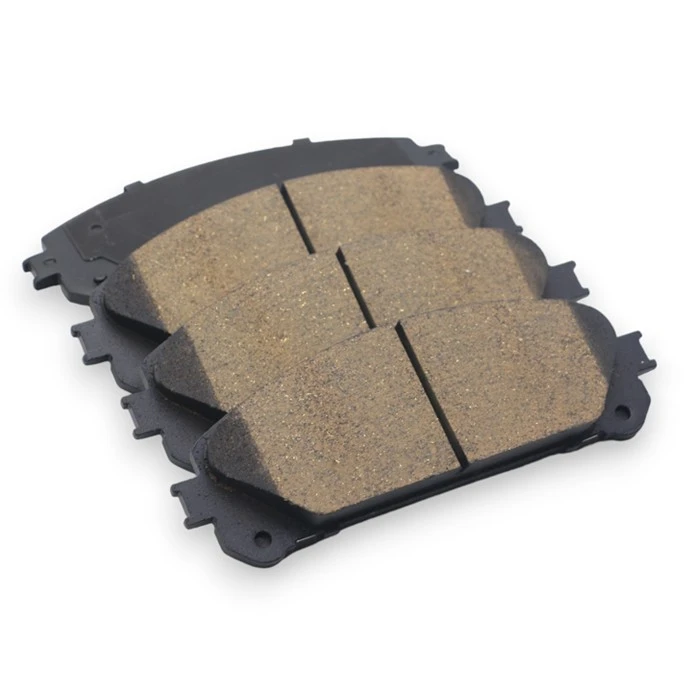
Understanding Slotted Brake Pads
Slotted brake pads are a popular choice among drivers who demand high - performance braking. The slots on these brake pads serve several important functions. Firstly, they help to expel gases and debris that are generated during the braking process. When the brake pad comes into contact with the brake rotor, friction creates heat, and this heat can cause outgassing of the brake pad material. If these gases are not properly vented, they can form a layer between the pad and the rotor, reducing the friction coefficient and thus the braking performance. The slots act as channels for these gases to escape, maintaining a consistent contact between the pad and the rotor.
Secondly, the slots also help to remove dust and debris that accumulate on the rotor surface. Over time, brake dust can build up, and this can lead to uneven wear on the brake pads and rotors. By allowing the debris to be swept away through the slots, slotted brake pads can help to extend the lifespan of both the pads and the rotors.
You can find our range of Slotted Brake Pads that are designed to meet the high - performance needs of various vehicles.
The Role of Brake Cleaners
Brake cleaners are essential for maintaining the optimal performance of brake systems. They are used to remove contaminants such as oil, grease, dirt, and brake dust from the brake components. Contaminants on the brake pads or rotors can significantly reduce the friction coefficient, leading to longer stopping distances and potentially dangerous situations.
When brake cleaners are applied, they evaporate quickly, leaving behind a clean surface. This ensures that the brake pads can make proper contact with the rotors, providing reliable and consistent braking performance.
Do Slotted Brake Pads Need a Specific Brake Cleaner?
The short answer is that slotted brake pads do not necessarily require a specific type of brake cleaner, but there are some factors to consider.
Compatibility with Materials
Slotted brake pads can be made from various materials, such as semi - metallic, ceramic, or organic compounds. Different brake cleaners may have different chemical compositions, and some may be more suitable for certain materials than others. For example, some aggressive brake cleaners may be too harsh for ceramic brake pads, as they could potentially damage the delicate ceramic structure. In general, it's important to choose a brake cleaner that is compatible with the material of your slotted brake pads.
Cleaning Ability
The unique design of slotted brake pads means that they can trap more debris compared to standard brake pads. Therefore, a brake cleaner with strong cleaning power is often preferred. A cleaner that can effectively dissolve and remove stubborn brake dust and contaminants from the slots and the surface of the pads is essential. This helps to ensure that the slots remain clear, allowing for proper gas expulsion and debris removal.

Residue - Free Formula
A residue - free brake cleaner is highly recommended for slotted brake pads. Any residue left behind by the cleaner can interfere with the braking performance. Residue can act as a lubricant between the pad and the rotor, reducing the friction and compromising the stopping power. Look for brake cleaners that are specifically labeled as "residue - free" to ensure the best results.
Types of Brake Cleaners and Their Suitability
Chlorinated Brake Cleaners
Chlorinated brake cleaners have been widely used in the past due to their excellent cleaning power. They can quickly dissolve grease, oil, and brake dust. However, they contain chlorinated solvents, which are harmful to the environment and can also pose health risks to users. Additionally, some chlorinated cleaners may leave a small amount of residue, which is not ideal for slotted brake pads.
Non - Chlorinated Brake Cleaners
Non - chlorinated brake cleaners are a more environmentally friendly and safer alternative. They are formulated to provide effective cleaning without the use of chlorinated solvents. Many non - chlorinated cleaners are also residue - free, making them a good choice for slotted brake pads. They can clean the slots and the surface of the pads thoroughly, ensuring optimal braking performance.
Water - Based Brake Cleaners
Water - based brake cleaners are another option. They are generally less aggressive than solvent - based cleaners but are still effective at removing light to moderate contaminants. They are also non - flammable and environmentally friendly. However, they may not be as effective at removing heavy grease and oil compared to solvent - based cleaners. If your slotted brake pads are heavily contaminated, a water - based cleaner may not be sufficient.
Maintenance Tips for Slotted Brake Pads
Regardless of the type of brake cleaner you choose, proper maintenance of slotted brake pads is crucial. Here are some tips:
- Regular Cleaning: Clean your slotted brake pads at regular intervals, especially if you drive in harsh conditions or use your vehicle for high - performance driving. This helps to prevent the build - up of contaminants and ensures that the slots remain clear.
- Inspection: Periodically inspect your brake pads for wear and damage. Look for signs of uneven wear, cracks, or excessive thinning. If you notice any issues, it's important to replace the brake pads promptly.
- Use Quality Parts: When replacing brake pads or other brake components, always use high - quality parts. Our High Friction Brake Pads are designed to provide excellent braking performance and durability.
Conclusion
In conclusion, while slotted brake pads do not strictly require a specific type of brake cleaner, it's important to choose a cleaner that is compatible with the pad material, has strong cleaning power, and leaves no residue. By using the right brake cleaner and following proper maintenance procedures, you can ensure the optimal performance and longevity of your slotted brake pads.
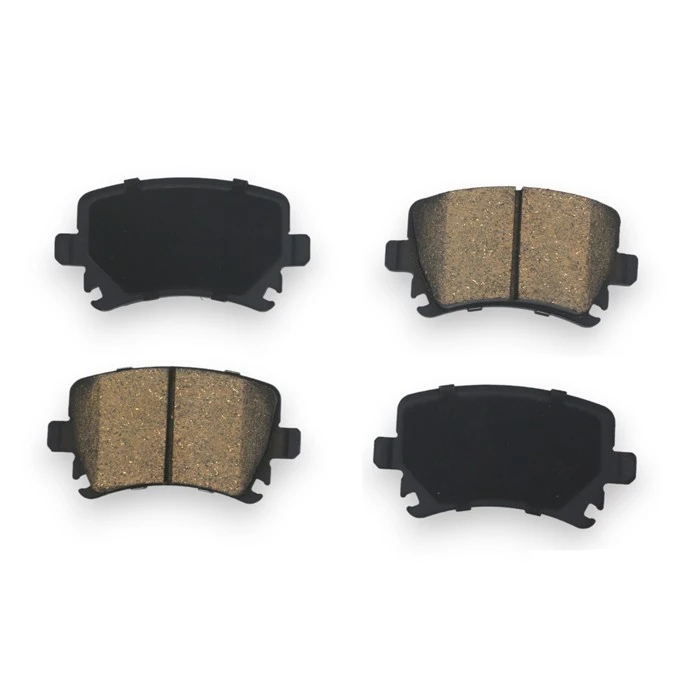
If you're in the market for high - quality slotted brake pads or have any questions about brake maintenance, we'd love to hear from you. Whether you're an individual looking to upgrade your vehicle's braking system or a business in need of a reliable brake pad supplier, feel free to reach out for a procurement discussion.
References
- "Automotive Brake Systems: Design, Diagnosis, and Service" by James D. Halderman
- "Brake Pad Materials and Their Performance" - A research paper from an automotive engineering journal.