

As a rear truck brake pads supplier deeply entrenched in the automotive industry, I've witnessed firsthand the critical role these components play in a truck's overall braking performance. The question of whether rear truck brake pads affect the braking performance of the whole truck is not just a technical query but a matter of safety, efficiency, and compliance for truck operators and fleet managers. In this blog, I'll delve into the science behind rear truck brake pads, their impact on the entire braking system, and why choosing the right ones is paramount.
The Basics of Truck Braking Systems
Before we explore the specific influence of rear truck brake pads, it's essential to understand the fundamentals of a truck's braking system. A typical heavy - duty truck braking system consists of several key components, including the brake pedal, master cylinder, brake lines, calipers, rotors (or drums), and brake pads. When the driver presses the brake pedal, hydraulic pressure is generated in the master cylinder and transmitted through the brake lines to the calipers or wheel cylinders. This pressure causes the brake pads to clamp down on the rotors or drums, creating friction that slows down or stops the wheels.
The braking force distribution between the front and rear axles is carefully calibrated to ensure optimal stopping performance. In most trucks, the front brakes handle a larger portion of the braking load, typically around 60 - 80%, due to the weight transfer that occurs during braking. As the truck decelerates, the weight shifts forward, increasing the normal force on the front wheels and reducing it on the rear wheels. However, this doesn't mean that the rear brakes are any less important.
The Impact of Rear Truck Brake Pads on Braking Performance
1. Stability and Balance
Rear truck brake pads are crucial for maintaining stability and balance during braking. When the brakes are applied, the front and rear brakes work together to slow down the vehicle. If the rear brake pads are worn out or not functioning properly, it can disrupt the balance of the braking forces. This imbalance can lead to issues such as rear - wheel lockup, where the rear wheels stop rotating while the front wheels are still moving. Rear - wheel lockup can cause the truck to skid, especially on wet or slippery surfaces, and make it difficult for the driver to control the vehicle.
2. Stopping Distance
Although the front brakes contribute more to the overall braking force, the rear brakes also play a significant role in reducing the stopping distance. Worn or ineffective rear brake pads can increase the stopping distance of the truck. When the rear brakes are not providing sufficient braking force, the front brakes have to work harder to compensate. This can lead to overheating of the front brakes, which in turn can reduce their effectiveness and increase the wear rate. Over time, this can result in longer stopping distances, putting the truck and its occupants at risk.
3. Brake System Wear
Properly functioning rear brake pads help to distribute the braking load evenly across the entire braking system. When the rear brake pads are in good condition, they share the workload with the front brakes, reducing the stress on the front brake components. This can extend the lifespan of the front brake pads, rotors, and calipers, reducing maintenance costs and downtime for the truck. On the other hand, if the rear brake pads are not working correctly, the front brakes will experience excessive wear, leading to more frequent replacements and higher maintenance costs.
Choosing the Right Rear Truck Brake Pads
As a rear truck brake pads supplier, I understand the importance of offering high - quality products that meet the diverse needs of truck operators. There are several factors to consider when choosing rear truck brake pads:

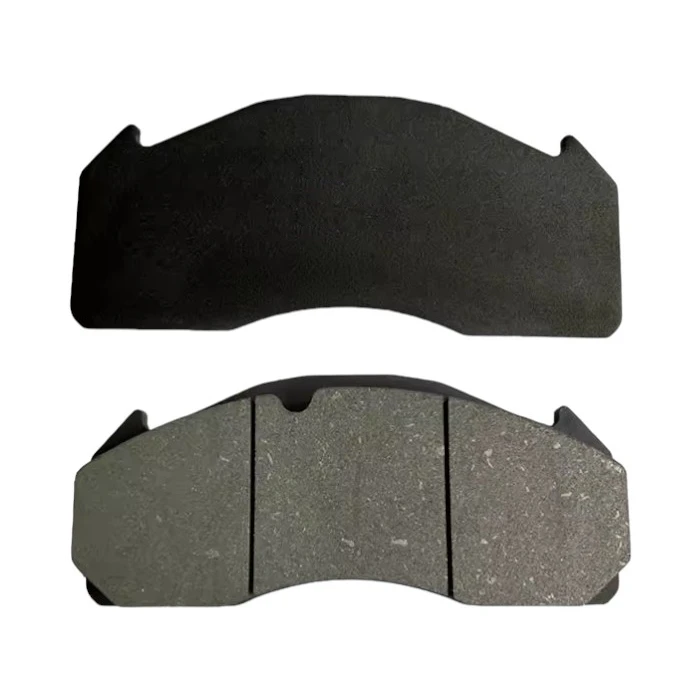
1. Material
Brake pads are available in different materials, each with its own advantages and disadvantages. Heavy Duty Ceramic Brake Pads are known for their low dust production, long lifespan, and excellent braking performance, especially at high temperatures. They are also quieter than other types of brake pads, which can be a significant advantage for trucks operating in urban areas. Heavy Duty Truck Brake Pads made from semi - metallic materials offer good stopping power and are more affordable than ceramic brake pads. However, they tend to produce more dust and can be noisier.
2. Application
The type of truck and its intended use also play a role in determining the right brake pads. Commercial Vehicle Brake Pads need to be able to handle heavy loads and frequent stops. For trucks that operate in mountainous regions or carry heavy payloads, brake pads with high - performance characteristics are required to ensure reliable stopping power. On the other hand, trucks used for light - duty applications may not require such high - end brake pads.
3. Compatibility
It's essential to choose rear truck brake pads that are compatible with the truck's braking system. This includes ensuring that the brake pads are the correct size, shape, and thickness for the calipers and rotors or drums. Using incompatible brake pads can lead to poor braking performance, increased wear, and even safety hazards.
Maintenance and Inspection
Regular maintenance and inspection of rear truck brake pads are essential for ensuring optimal braking performance. Truck operators should follow the manufacturer's recommended maintenance schedule and have the brake pads inspected regularly. Signs of worn brake pads include a squealing or grinding noise when the brakes are applied, a spongy or soft brake pedal, or reduced braking performance.
If the brake pads are worn beyond the recommended thickness, they should be replaced immediately. It's also a good idea to have the entire braking system inspected at the same time to check for other potential issues, such as worn rotors, calipers, or brake lines.
Conclusion
In conclusion, rear truck brake pads have a significant impact on the braking performance of the whole truck. They are essential for maintaining stability, reducing stopping distance, and ensuring the longevity of the entire braking system. As a rear truck brake pads supplier, I am committed to providing high - quality products that meet the highest standards of safety and performance.
If you're in the market for reliable rear truck brake pads, I encourage you to reach out for a procurement discussion. We can help you choose the right brake pads for your specific needs and ensure that your trucks are equipped with the best braking components available.
References
- Society of Automotive Engineers (SAE). Standards related to heavy - duty vehicle braking systems.
- Truck manufacturers' technical manuals and maintenance guides.
- Industry research reports on brake pad performance and durability.