

As a front brake pad kit supplier, I often get asked by customers, "Do front brake pad kits produce a lot of dust?" It's a valid concern because brake dust not only makes your wheels look dirty but can also potentially affect the performance and longevity of your braking system. In this blog post, I'll break down the factors that contribute to brake dust production and share some insights based on our experience in the industry.
First off, let's understand what brake dust is. When you press the brake pedal, the brake pads clamp down on the brake rotors, creating friction. This friction is what slows down your vehicle. During this process, tiny particles of the brake pad material wear off and are released into the air. These particles then settle on your wheels, calipers, and other nearby components, forming what we call brake dust.
The amount of dust produced by a front brake pad kit can vary significantly depending on several factors. One of the most important factors is the type of brake pad material. There are generally three main types of brake pad materials: organic, semi - metallic, and ceramic.
Organic brake pads are made from a mixture of materials like rubber, glass, and resin. They are known for being quiet and gentle on the brake rotors. However, they tend to produce more dust compared to other types. The organic materials wear down more easily, resulting in a relatively large amount of fine dust. This dust is often dark in color and can be quite visible on your wheels.
Semi - metallic brake pads contain a blend of metal fibers (such as steel, copper, or iron) along with other materials. They offer good braking performance and are more durable than organic pads. But they also generate a fair amount of dust. The metal fibers in the pads can create coarser dust particles, which may be more abrasive. This dust can sometimes cause more wear on the brake rotors over time.
Ceramic brake pads are a popular choice for many drivers. They are made from ceramic materials and copper fibers. Ceramic pads are known for their low dust production. The ceramic material is very hard and wears very slowly, resulting in minimal dust. The dust that is produced is usually light in color and less noticeable on the wheels. If you're someone who doesn't want to deal with a lot of brake dust, ceramic brake pads are a great option. You can check out our Silent Brake Pads, which are ceramic - based and designed to be both quiet and low - dust.

Another factor that affects brake dust production is driving style. Aggressive driving, such as frequent hard braking and high - speed stops, can cause the brake pads to wear down more quickly. This, in turn, leads to increased dust production. On the other hand, smooth and gentle driving can help reduce the amount of wear on the brake pads and, consequently, the amount of dust generated.
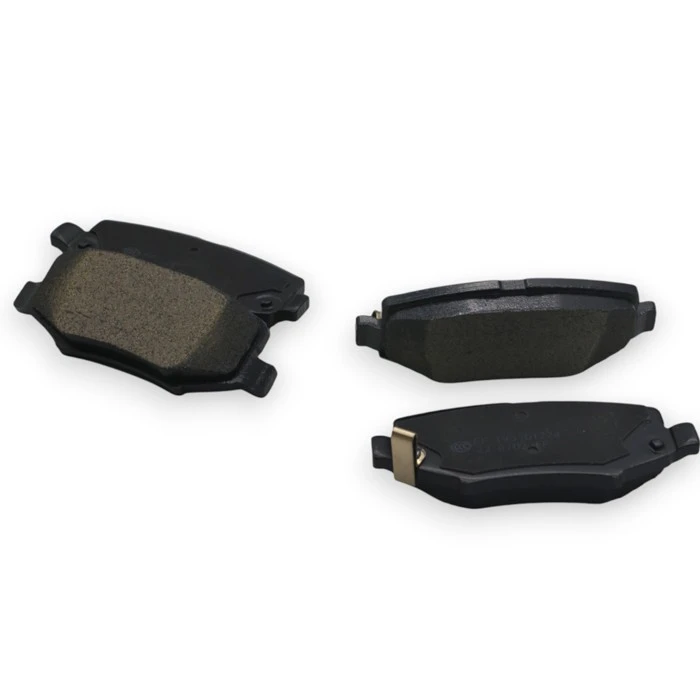
The quality of the brake pad kit also plays a role. High - quality brake pads are usually engineered to minimize dust production while still providing excellent braking performance. At our company, we take great pride in offering top - notch Front Brake Pad Kits. Our kits are designed and tested to ensure optimal performance and reduced dust output.
For those who are into high - performance driving, like racing, the situation can be a bit different. Racing Carbon Brake Pads are specifically designed for extreme braking conditions. These pads are made from carbon - based materials that can withstand high temperatures and provide exceptional stopping power. However, they do produce a significant amount of dust. The intense friction generated during racing causes the carbon material to wear off, creating a large volume of fine dust. But for racers, the high - performance benefits often outweigh the dust issue.
Now, let's talk about how brake dust can impact your vehicle. Besides the obvious aesthetic issue of dirty wheels, excessive brake dust can also have some negative effects on your braking system. The dust can accumulate on the brake calipers and other components, potentially causing corrosion over time. It can also get into the brake lines and affect the hydraulic system, leading to reduced braking efficiency.
To minimize the impact of brake dust, regular maintenance is crucial. You should clean your wheels regularly to remove the dust. Using a high - quality wheel cleaner and a soft brush can help get rid of the dust without scratching the wheels. Additionally, having your brakes inspected regularly by a professional can ensure that the brake pads and other components are in good condition.
If you're in the market for a front brake pad kit and don't want a lot of dust, I'd recommend considering ceramic brake pads. They offer a great balance between low dust production, good braking performance, and long - term durability. But if you're a performance enthusiast or have specific driving needs, semi - metallic or racing carbon brake pads might be more suitable for you, even though they produce more dust.
We, as a front brake pad kit supplier, are committed to providing high - quality products that meet the diverse needs of our customers. Whether you're looking for a low - dust solution for your daily driver or high - performance pads for your racing car, we've got you covered.
If you're interested in learning more about our front brake pad kits or have any questions about brake dust, feel free to reach out. We're here to help you make the right choice for your vehicle. Contact us to start a procurement discussion, and let's find the perfect brake pad kit for you.
References
- Brake Pad Basics: Understanding the Different Types, Automotive Aftermarket Magazine
- How Driving Style Affects Brake Pad Wear, Car Maintenance Journal
- The Advantages and Disadvantages of Ceramic Brake Pads, Vehicle Performance Review