

Hey there! As a front brake lining supplier, I often get asked whether front brake linings need to be bedded in. It's a common question, and the answer is a bit more complex than a simple yes or no. So, let's dive into this topic and explore it together.
First off, what exactly is bedding in? Bedding in, also known as break-in, is the process of creating an even layer of friction material transfer between the brake lining and the brake disc or drum. This process is crucial because it helps to optimize the braking performance, reduce noise, and extend the lifespan of both the brake linings and the mating surface.
Now, let's talk about why front brake linings need to be bedded in. The front brakes are responsible for a significant portion of the braking force in most vehicles. When you apply the brakes, the front brake linings come into contact with the brake disc or drum, generating friction that slows down the vehicle. During the initial use, the brake linings and the mating surface may not have a perfect contact pattern. Bedding in helps to ensure that the entire surface area of the brake lining is in contact with the disc or drum, which maximizes the friction and improves the braking efficiency.
Another reason for bedding in front brake linings is to prevent uneven wear. If the brake linings are not properly bedded in, they may wear unevenly, which can lead to reduced braking performance, increased noise, and even damage to the brake disc or drum. By bedding in the brake linings, you can ensure that they wear evenly, which extends their lifespan and reduces the risk of costly repairs.
So, how do you bed in front brake linings? The process can vary depending on the type of vehicle and the brake system, but here's a general guideline:
- Start by driving your vehicle at a moderate speed on a quiet road. Avoid heavy braking during the first few miles.
- Once you've driven for a few miles, gradually increase your speed to around 30 - 40 mph.
- Apply the brakes moderately, bringing the vehicle to a stop without locking up the wheels. Do this several times, allowing the brakes to cool down between each stop.
- After a few moderate stops, you can perform a few more aggressive stops from higher speeds (around 50 - 60 mph). Again, make sure to allow the brakes to cool down between each stop.
- Finally, drive your vehicle normally for a few more miles to complete the bedding-in process.
It's important to note that you should follow the manufacturer's recommendations for bedding in your specific brake linings. Some brake linings may require a different bedding-in procedure, so it's always a good idea to check the instructions that come with the brake linings.
Now, let's talk about some of the signs that your front brake linings may not have been properly bedded in. If you notice any of the following symptoms, it could indicate that the brake linings need to be re-bedded or that there is a problem with the brake system:
- Squealing or grinding noises when you apply the brakes
- Reduced braking performance
- Uneven wear on the brake linings or the brake disc/drum
- Vibration or pulsation in the brake pedal
If you experience any of these symptoms, it's important to have your brakes inspected by a professional mechanic. They can determine whether the brake linings need to be re-bedded or if there is a more serious problem with the brake system.
As a front brake lining supplier, I offer a wide range of high-quality Front Brake Lining products. Whether you're looking for brake linings for a passenger car, a heavy truck, or any other type of vehicle, I've got you covered. My Heavy Truck Brake Linings are designed to withstand the heavy loads and demanding conditions of commercial vehicles, while my Brake Lining Set provides a complete solution for your braking needs.
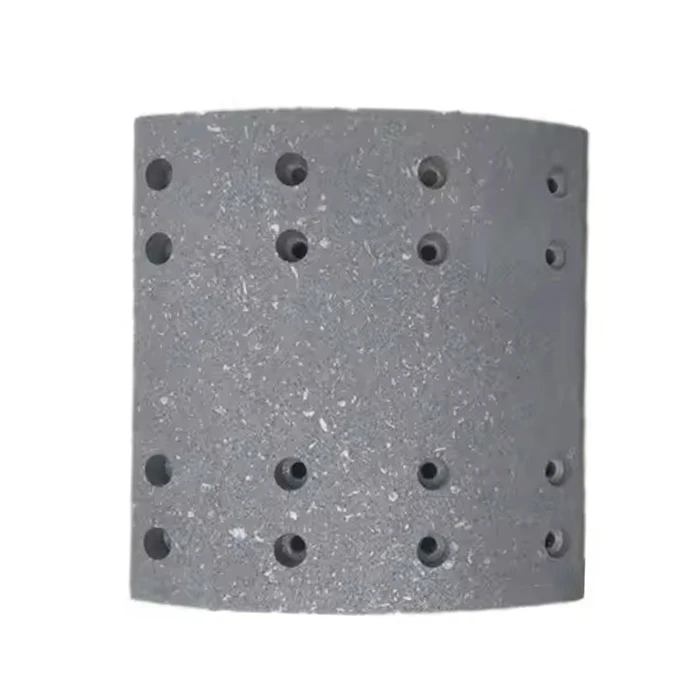
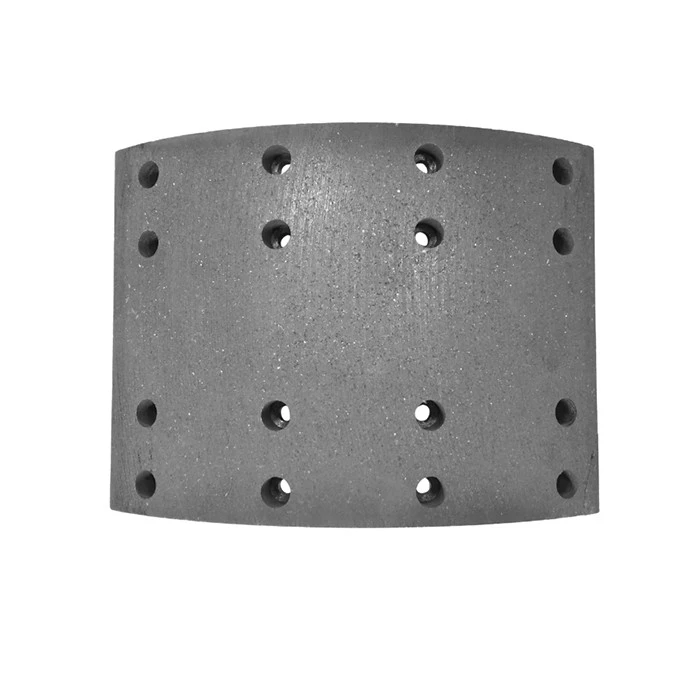
All of my brake linings are made from premium materials and are rigorously tested to ensure their performance and reliability. I understand the importance of proper bedding in, and I always provide detailed instructions with my products to help you get the most out of your brake linings.
If you're in the market for front brake linings, I encourage you to get in touch with me. Whether you have questions about bedding in, need help choosing the right brake linings for your vehicle, or are ready to place an order, I'm here to assist you. Don't hesitate to reach out and start a conversation about your brake lining needs.
In conclusion, bedding in front brake linings is an important process that can significantly improve the performance, safety, and lifespan of your braking system. By following the proper bedding-in procedure and using high-quality brake linings, you can ensure that your vehicle's brakes are in top condition. If you have any further questions or need more information, feel free to contact me. I'm always happy to help.
References
- Brake and Friction Materials Handbook, Second Edition by David Crolla
- Modern Automotive Technology by James D. Halderman