

Do car metallic brake pads work well in wet conditions?
As a supplier of car metallic brake pads, I often receive inquiries from customers about the performance of our products, especially in challenging conditions such as wet weather. This blog post aims to provide an in - depth analysis of how car metallic brake pads fare in wet conditions.
The Basics of Car Metallic Brake Pads
Car metallic brake pads are made primarily of metal fibers, typically steel, copper, or a combination of various metals. These pads are known for their durability, high - temperature resistance, and excellent stopping power. They can withstand heavy use and are often favored for high - performance vehicles or those that require frequent and intense braking.
The structure of metallic brake pads allows them to transfer heat efficiently. When the brakes are applied, the friction between the brake pads and the rotors generates a significant amount of heat. Metallic brake pads can dissipate this heat quickly, preventing brake fade and maintaining consistent braking performance.
Challenges in Wet Conditions
Wet conditions pose several challenges to the braking system. Water on the road surface can create a thin film between the brake pads and the rotors. This film acts as a lubricant, reducing the friction coefficient and thus decreasing the braking force. As a result, the vehicle may take longer to stop, increasing the risk of accidents.
Another issue is corrosion. Water can cause the metal components in the braking system, including the rotors and brake pads, to rust. Rust can damage the surface of the rotors and brake pads, leading to uneven wear and reduced braking performance over time.
Performance of Car Metallic Brake Pads in Wet Conditions
Despite the challenges, car metallic brake pads have several features that enable them to perform relatively well in wet conditions.
1. Friction Maintenance
Metallic brake pads have a high initial friction coefficient. Even when there is a thin layer of water on the rotors, the metal fibers in the brake pads can penetrate the water film and make direct contact with the rotor surface. This allows them to maintain a certain level of friction, which is crucial for effective braking.
In comparison to other types of brake pads, such as ceramic or organic pads, metallic brake pads are generally better at cutting through the water layer. Ceramic pads, for example, may be more prone to glazing in wet conditions, which reduces their friction and braking effectiveness. Organic pads, on the other hand, can absorb water, which softens them and further decreases their ability to generate friction.
2. Heat Dissipation
As mentioned earlier, metallic brake pads are excellent at dissipating heat. In wet conditions, when the brakes are applied, the heat generated can help to evaporate the water on the rotors. This not only restores the friction between the brake pads and the rotors but also helps to prevent the formation of rust.
The ability to dissipate heat quickly also means that metallic brake pads are less likely to experience brake fade in wet conditions. Brake fade occurs when the brakes overheat and lose their effectiveness. Since metallic brake pads can handle high temperatures, they can maintain consistent braking performance even during repeated or intense braking in wet weather.
3. Durability against Corrosion
Modern metallic brake pads are often treated with anti - corrosion coatings. These coatings protect the metal fibers in the brake pads from rusting, ensuring that the pads remain in good condition even when exposed to water for extended periods.
Moreover, the high - quality metals used in metallic brake pads are inherently more resistant to corrosion than some other materials. For example, stainless steel, which is commonly used in metallic brake pads, has a high chromium content that forms a protective oxide layer on the surface, preventing rust from forming.
Real - World Testing and Evidence
Numerous real - world tests have been conducted to evaluate the performance of car metallic brake pads in wet conditions. In one test, vehicles equipped with metallic brake pads were compared with those using ceramic and organic brake pads on a wet test track. The results showed that the vehicles with metallic brake pads had shorter stopping distances and more consistent braking performance.
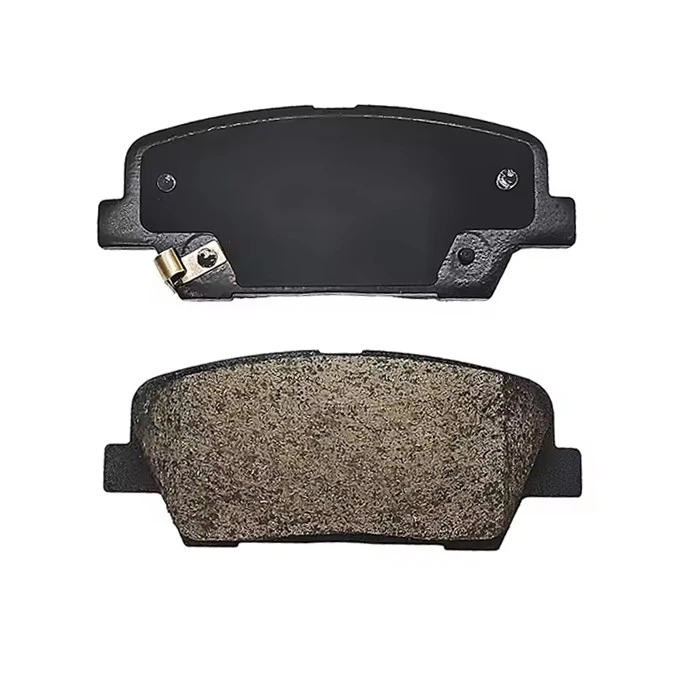

In another long - term study, a fleet of vehicles was driven in wet and humid conditions for several months. The metallic brake pads showed less wear and tear compared to the other types of brake pads. The anti - corrosion coatings on the metallic brake pads were found to be effective in preventing rust and maintaining the integrity of the pads.
Our Product Range
As a supplier, we offer a wide range of car metallic brake pads to meet different customer needs. Our Less Metal Brake Pads are designed for those who want a balance between the performance of metallic brake pads and reduced noise. These pads have a lower metal content, which helps to reduce the noise generated during braking while still maintaining good braking performance in wet conditions.
Our Light Vehicle Brake Pads are specifically tailored for smaller cars and light trucks. They are engineered to provide optimal braking performance in all weather conditions, including wet weather. The design of these pads ensures efficient heat dissipation and consistent friction, even when the roads are wet.
For passengers cars, our Passenger Car Brake Pads are a popular choice. These pads are made with high - quality metals and advanced manufacturing techniques to provide reliable and safe braking in wet conditions. They are also designed to be long - lasting, reducing the need for frequent replacement.
Conclusion and Call to Action
In conclusion, car metallic brake pads work well in wet conditions. Their high friction coefficient, excellent heat dissipation, and resistance to corrosion make them a reliable choice for drivers who need to brake effectively in all weather conditions.
If you are interested in purchasing high - quality car metallic brake pads, we invite you to contact us for a detailed discussion about your requirements. Our team of experts is ready to provide you with the best solutions for your braking needs. Whether you are a car owner, a mechanic, or a fleet manager, we can offer you the right products at competitive prices.
References
- Society of Automotive Engineers (SAE) - Braking Performance Standards in Wet Conditions
- Journal of Automotive Engineering - Research on Brake Pad Materials and Their Performance in Different Environments
- Automotive Testing Reports - Real - World Testing of Brake Pads in Wet Conditions