

Hey there! As a brake shoes supplier, I often get asked a bunch of questions about brake shoes, and one that pops up quite a bit is, "Do brake shoes need to be bedded in after replacement?" Well, let's dive right into this topic and find out.
First off, what does "bedding in" even mean? Bedding in, also known as breaking in, is a process where you gradually wear in new brake shoes to make them work at their best. When you install brand - new brake shoes, the surface of the shoes and the brake drum or rotor aren't perfectly matched. They need to get used to each other, and that's where bedding in comes in.
Why Bedding in is Important
When you bed in your brake shoes properly, it helps create an even transfer layer between the brake shoe and the brake drum or rotor. This transfer layer is crucial because it improves the friction coefficient. In simpler terms, it means your brakes will grip better, which is super important for safety.
Without proper bedding in, you might notice some uneven braking. One side of the brake might work better than the other, or you could experience a pulsation when you hit the brakes. This not only affects your driving experience but can also lead to premature wear of your brake components.
Let's say you just replaced your brake shoes with our Freight Car Brake Shoes. These are heavy - duty brake shoes designed for freight cars, which means they need to be in top - notch condition to handle the large loads. Bedding them in ensures that they'll work efficiently and last longer.
How to Bed in Brake Shoes
The process of bedding in brake shoes isn't too complicated, but it does require a bit of patience. Here's a general guide on how to do it:
- Initial Driving: After installing the new brake shoes, drive for a short distance at a low speed, say around 10 - 15 mph. This gives the brake shoes a chance to start getting used to the brake drum or rotor.
- Moderate Braking: Once you've driven a short distance, start applying moderate pressure to the brakes. Don't slam on them, but make sure you're using enough pressure to slow down your vehicle. Do this a few times at different speeds, gradually increasing the speed each time.
- Cooling Periods: After a few braking cycles, give your brakes a chance to cool down. This is important because excessive heat can damage the brake shoes and other components. You can drive for a few minutes without braking to let them cool.
- Final Checks: After you've completed the bedding - in process, take your vehicle for a test drive. Pay attention to how the brakes feel. They should be smooth and responsive. If you notice any issues, it might be a sign that the bedding - in process wasn't done correctly.
Different Types of Brake Shoes and Bedding In
We offer a variety of brake shoes, like our Ceramic Drum Brake Shoes. Ceramic brake shoes have some unique properties. They tend to produce less dust and are quieter compared to other types of brake shoes. However, they still need to be bedded in.
The bedding - in process for ceramic brake shoes is similar to other types, but you might need to be a bit more careful. Ceramic materials can be more sensitive to heat, so make sure you follow the cooling periods closely.
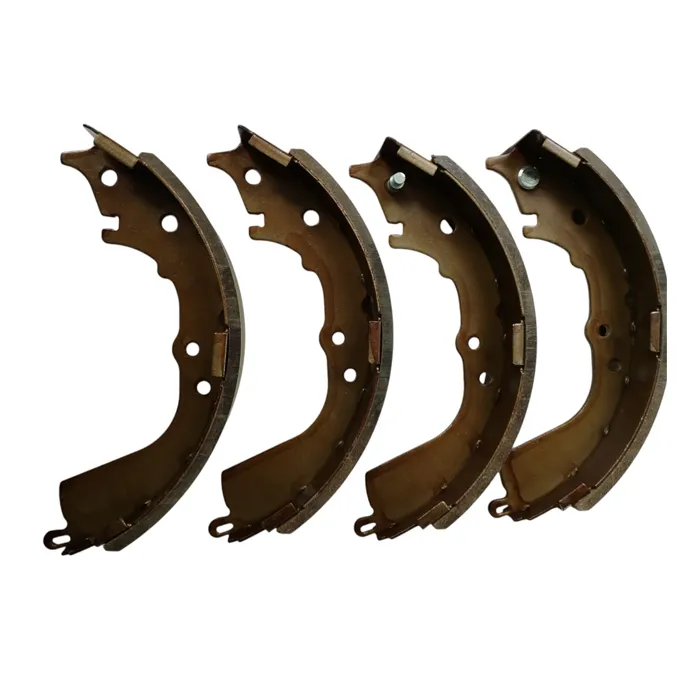
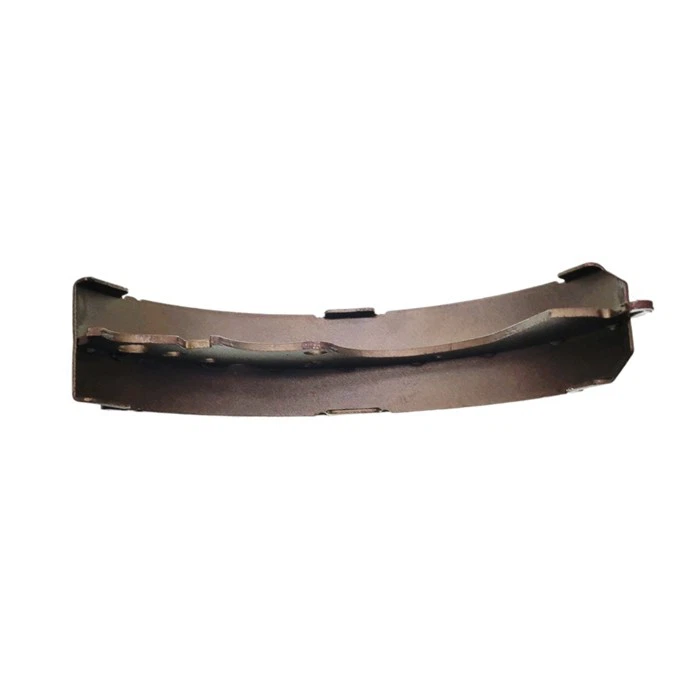
Our Ceramic Drum Brake Shoes are manufactured with high - quality materials. But even the best - made brake shoes need to be bedded in to perform at their peak.
Signs That Your Brake Shoes Need Bedding In
If you've just replaced your brake shoes and you're not sure if they've been properly bedded in, there are a few signs to look out for.
- Squealing or Grinding Noises: If you hear high - pitched squealing or grinding noises when you apply the brakes, it could be a sign that the brake shoes aren't properly seated. Bedding them in can often fix this issue.
- Uneven Braking: As I mentioned earlier, if one side of the brake seems to be working better than the other, or if you feel a pulsation when you brake, it's likely that the brake shoes need to be bedded in.
- Reduced Braking Performance: If your brakes don't seem to be as responsive as they should be, it could be because the brake shoes haven't been properly broken in.
When Bedding In Might Not Be Necessary
In some cases, you might not need to bed in your brake shoes. For example, if you're using a very light - duty vehicle and you're not putting a lot of stress on the brakes, the normal driving might be enough to wear in the brake shoes. However, this is rare, and it's still a good idea to follow the bedding - in process just to be safe.
Conclusion
So, to answer the question, "Do brake shoes need to be bedded in after replacement?" The answer is usually yes. Bedding in your brake shoes is an important step that can improve their performance, increase their lifespan, and most importantly, keep you safe on the road.
Whether you're using our Freight Car Brake Shoes for heavy - duty applications or our Ceramic Drum Brake Shoes for a more quiet and dust - free experience, taking the time to bed them in is well worth it.
If you're in the market for high - quality brake shoes, we'd love to hear from you. We're always ready to help you find the right brake shoes for your needs and answer any questions you might have. So, don't hesitate to reach out and start a conversation about your brake shoe requirements.
References
- Automotive Brake Systems Handbook
- Brake Shoe Manufacturer's Guides