

Hey there! As a bus brake pads supplier, I've been in the industry for quite some time, and I often get asked whether worn bus brake pads can damage the brake rotors. Well, let's dig into this topic and find out.
First off, let's understand how the braking system in a bus works. When you press the brake pedal, the brake pads are pushed against the brake rotors. This creates friction, which slows down or stops the rotation of the wheels. It's a simple yet crucial mechanism that keeps everyone on the bus safe.
Now, when the brake pads start to wear down, things can get a bit tricky. Brake pads are designed to be the sacrificial component in the braking system. They're made to wear out over time so that the more expensive and harder - to - replace brake rotors don't get damaged. But what happens when you ignore the signs of worn brake pads?
One of the main issues with worn brake pads is that they lose their ability to create consistent friction. As the pad material wears away, there's less surface area in contact with the brake rotor. This can lead to uneven braking, which puts extra stress on the rotors. For example, if one side of the brake pad is more worn than the other, it will cause the rotor to heat up unevenly. This uneven heating can lead to warping of the brake rotors. A warped rotor will cause a pulsating feeling in the brake pedal when you apply the brakes, and it can also lead to a decrease in braking performance.
Another problem is that when the brake pads are extremely worn, the metal backing of the pads can come into direct contact with the brake rotors. This is a huge problem because metal - to - metal contact can cause significant damage to the rotors. The metal backing is much harder than the brake rotor material, and it can scratch and score the surface of the rotor. These scratches can deepen over time, making the rotor surface rough. A rough rotor surface not only reduces braking efficiency but also causes more wear on new brake pads when they're installed.
Moreover, worn brake pads can cause the braking system to overheat. Since the pads can't create enough friction efficiently, the system has to work harder to slow down the bus. This extra work generates more heat, and if the heat isn't dissipated properly, it can cause the brake rotors to crack. A cracked rotor is extremely dangerous because it can fail suddenly while the bus is in motion, leading to a complete loss of braking power.
So, how can you tell if your bus brake pads are worn? There are a few signs to look out for. One of the most obvious signs is a squealing or screeching noise when you apply the brakes. This noise is usually caused by a wear indicator on the brake pads. When the pads reach a certain level of wear, the wear indicator rubs against the rotor, creating that high - pitched noise. Another sign is a spongy or soft brake pedal. If you have to press the pedal further than usual to get the same braking effect, it could be a sign that the brake pads are worn.
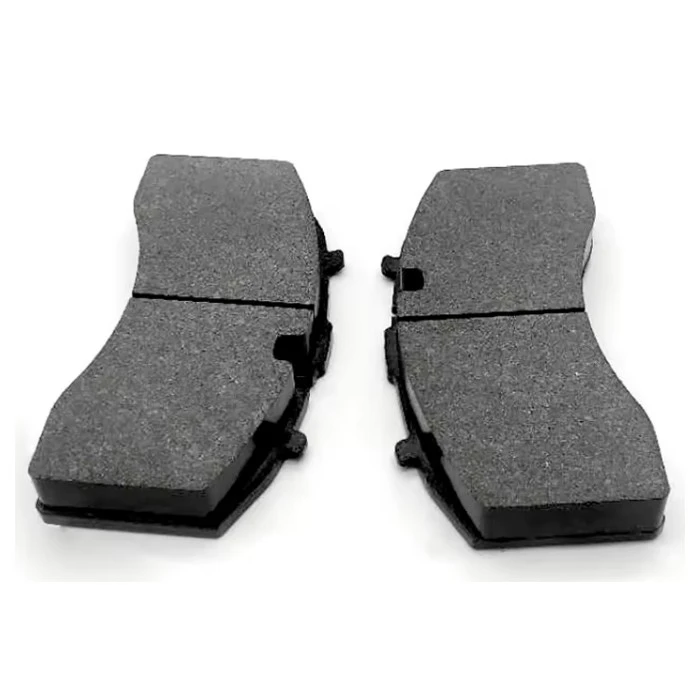
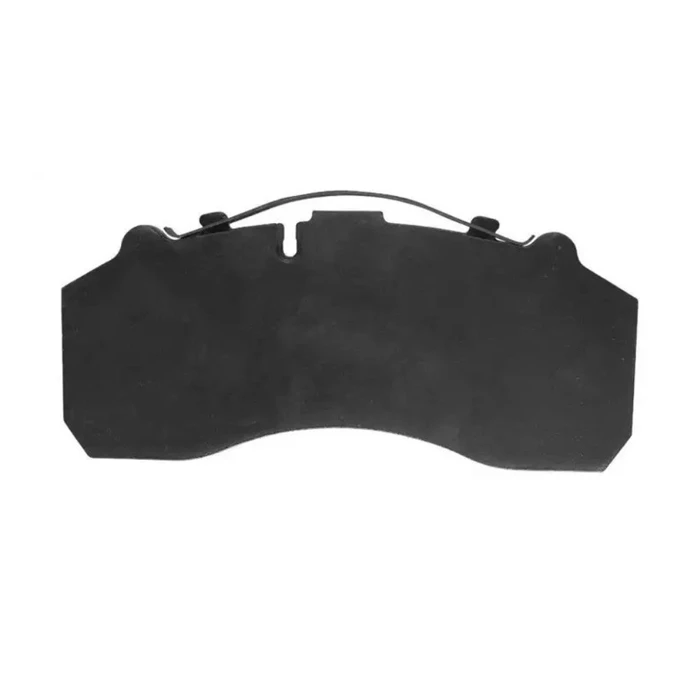
As a bus brake pads supplier, I always recommend regular maintenance and inspection of the braking system. It's much cheaper and safer to replace worn brake pads in a timely manner than to deal with the consequences of damaged brake rotors. We offer a wide range of high - quality Bus Brake Pads that are designed to provide optimal braking performance and durability. Our pads are made from premium materials that are resistant to wear and tear, ensuring a long service life.
In addition to bus brake pads, we also supply Trailer Brake Pads for those who need to tow trailers with their buses. These pads are specifically designed to handle the extra weight and stress of towing. And for those looking for high - performance options, we have Carbon Ceramic Brake Pads. These pads offer superior braking performance, especially in high - speed and heavy - duty applications. They're also more resistant to heat and wear compared to traditional brake pads.
If you're a bus operator, fleet manager, or just someone who wants to ensure the safety of your bus, don't hesitate to reach out to us. We're here to provide you with the best brake pads and expert advice on maintaining your braking system. Contact us today to discuss your requirements and get a quote. A well - maintained braking system is essential for the safety of everyone on the road, so let's work together to keep your buses running smoothly and safely.
In conclusion, worn bus brake pads can definitely damage the brake rotors. The uneven braking, metal - to - metal contact, overheating, and other issues caused by worn pads can lead to warping, scoring, cracking, and other forms of damage to the rotors. By being proactive and replacing worn brake pads on time, you can avoid these problems and save yourself a lot of money and headaches in the long run. So, take care of your bus's braking system, and it will take care of you.
References:
- Automotive Braking Systems: Principles and Maintenance, 3rd Edition
- SAE International Technical Papers on Brake System Wear and Failure
- Industry reports on bus safety and braking system maintenance