

Autocross is a thrilling motorsport that demands high - performance from every component of a vehicle, especially the braking system. As an autocross brake pads supplier, I often get asked the question: "Can I use regular brake pads for autocross?" In this blog, I'll delve into the details to help you understand the differences between regular brake pads and those designed for autocross, and whether regular brake pads are a viable option for this high - intensity racing activity.
Understanding Regular Brake Pads
Regular brake pads are the standard components found in most daily - driven vehicles. They are designed to meet the general braking needs of normal driving conditions, such as commuting to work, running errands, and occasional long - distance trips. These brake pads are engineered to provide a balance of factors including cost, noise reduction, and durability for everyday use.
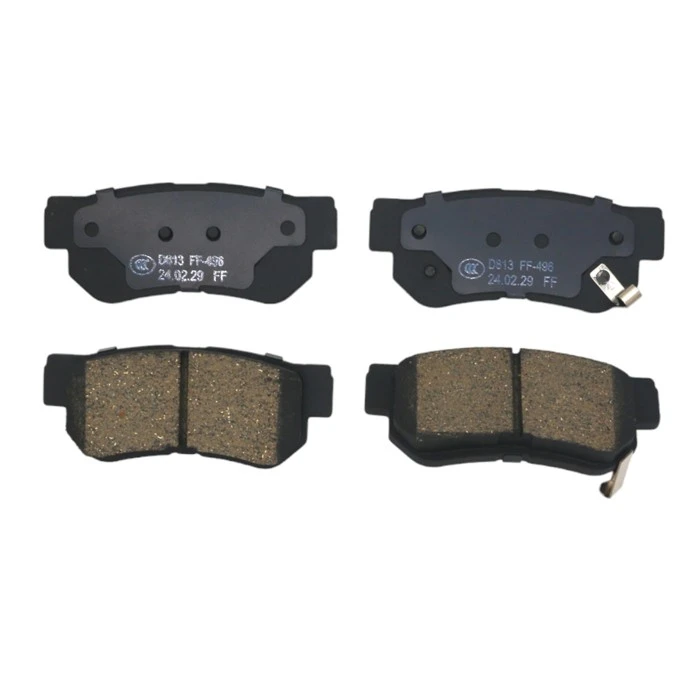

Regular brake pads typically use materials that are relatively soft and have a lower coefficient of friction compared to performance brake pads. This softness helps to reduce noise and vibration during normal braking, and also extends the life of the brake rotors. However, this also means that they may not be able to handle the extreme demands of autocross.
The Demands of Autocross on Brake Pads
Autocross is a timed event where drivers navigate a pre - set course with a series of turns, straights, and obstacles. The driving style in autocross involves aggressive acceleration, high - speed cornering, and sudden, hard braking. These actions place a significant amount of stress on the braking system.
During an autocross event, the brakes are used repeatedly and forcefully. Each braking maneuver generates a large amount of heat. The heat can cause the brake pads to fade, which means a reduction in the braking force. Fading can be extremely dangerous in autocross, as it can lead to longer stopping distances and a loss of control over the vehicle.
In addition to heat, the high - speed and high - force nature of autocross also requires brake pads to have excellent bite and modulation. Bite refers to the initial grabbing power of the brake pads when the brake pedal is pressed. Good modulation means that the driver can precisely control the amount of braking force, which is crucial for smooth and efficient cornering.
Why Regular Brake Pads May Not Be Suitable for Autocross
As mentioned earlier, regular brake pads are not designed to handle the extreme heat generated during autocross. When the temperature of the brake pads rises too high, the friction material can start to break down, leading to a loss of braking performance. This is known as heat fade.
Moreover, regular brake pads often lack the necessary bite and modulation for autocross. Their relatively low coefficient of friction means that they may not provide enough initial stopping power, especially when the driver needs to make a sudden stop. And without good modulation, it can be difficult for the driver to control the braking force accurately, which can affect the overall performance on the course.
Another issue with using regular brake pads for autocross is wear. The high - force braking in autocross can cause regular brake pads to wear out much faster than they would in normal driving. This not only means more frequent pad replacements but also increases the risk of uneven wear, which can further affect the braking performance.
The Advantages of Using Autocross - Specific Brake Pads
Autocross - specific brake pads are engineered to meet the unique demands of this motorsport. These brake pads are made from high - performance friction materials that can withstand high temperatures without fading. For example, some autocross brake pads use ceramic or semi - metallic compounds that have excellent heat resistance. You can find more information about Heat Resistant Brake Pads on our website.
In terms of bite and modulation, autocross brake pads are designed to provide a strong initial grab and precise control. This allows drivers to stop quickly and smoothly, improving their lap times and overall performance on the course.
Autocross brake pads also have better wear resistance. They are built to withstand the high - force braking in autocross, which means they last longer and provide more consistent performance over time.
Exceptions and Considerations
While it is generally not recommended to use regular brake pads for autocross, there may be some exceptions. If you are a beginner in autocross and are just looking to get a feel for the sport, or if you are using a low - powered vehicle with relatively mild driving conditions, regular brake pads might work for a short period. However, as you progress in the sport and start to push your vehicle harder, you will likely notice the limitations of regular brake pads.
It's also important to consider the cost. Autocross - specific brake pads are usually more expensive than regular brake pads. But when you factor in the improved performance, longer lifespan, and increased safety, the investment is often worth it.
Conclusion
In conclusion, while it is technically possible to use regular brake pads for autocross, it is not advisable for most drivers. The extreme demands of autocross on the braking system make it essential to use brake pads that are specifically designed for this high - intensity motorsport.
As an autocross brake pads supplier, I offer a wide range of high - quality brake pads that are tailored to meet the needs of autocross enthusiasts. Whether you are looking for Car Rear Brake Pads or Thin Brake Pads, we have the right products for you.
If you are interested in improving your autocross performance and ensuring the safety of your vehicle, I encourage you to contact us for more information. We can help you select the best brake pads for your specific vehicle and driving style. Let's work together to take your autocross experience to the next level.
References
- Motorsport Handbook: A Guide to High - Performance Driving
- Automotive Brake Systems: Design, Analysis, and Testing