

Can I replace front brake lining myself?
As a front brake lining supplier, I often get asked this question by customers who are looking to save some money on vehicle maintenance or who simply enjoy getting their hands dirty with DIY projects. The short answer is yes, you can replace front brake lining yourself, but it's important to understand the process, the potential risks, and whether you have the necessary skills and tools.
Understanding the Front Brake Lining
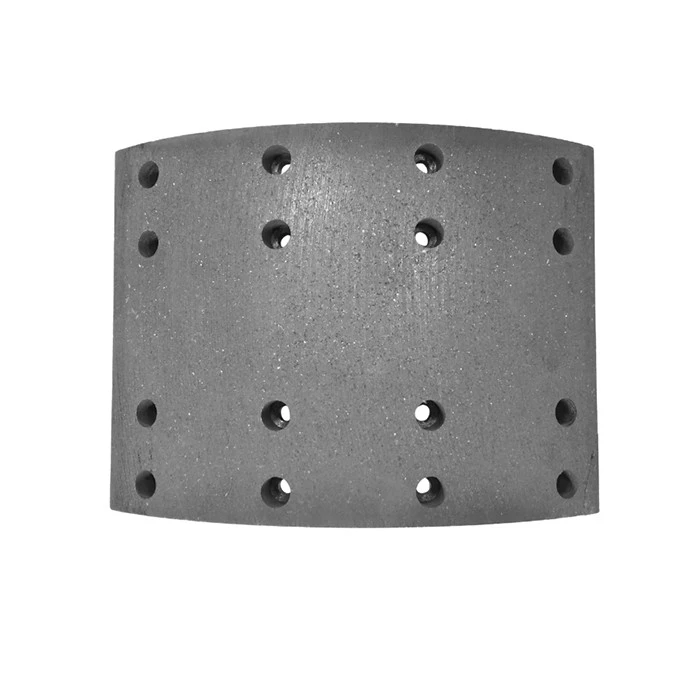
Before we dive into the DIY aspect, let's first understand what front brake lining is. The front brake lining is a crucial component of your vehicle's braking system. It is the material that presses against the brake drum or rotor to create friction, which in turn slows down or stops your vehicle. Over time, the brake lining wears down due to the constant friction, and it needs to be replaced to ensure optimal braking performance and safety.
There are different types of front brake linings available in the market, each with its own characteristics. For example, organic brake linings are made from a mixture of materials like rubber, glass, and resin. They are relatively quiet and produce less dust but may wear out faster. Semi - metallic brake linings, on the other hand, contain metal fibers and offer better heat dissipation and longer life, but they can be noisier and generate more dust. You can find a wide range of options at our Front Brake Lining page.
Tools and Materials Needed
If you decide to replace the front brake lining yourself, you'll need a set of tools and materials. Here's a basic list:
- Socket and wrench set: To remove and install bolts.
- Brake spring pliers: For removing and installing brake springs.
- C - clamp: To compress the brake caliper piston (for disc brakes).
- New brake lining set: You can choose from our Brake Lining Set which is designed to fit various vehicle models.
- Brake cleaner: To clean the brake components.
- Grease: For lubricating certain parts of the brake system.
The Replacement Process
The process of replacing front brake lining can vary depending on whether your vehicle has disc brakes or drum brakes.
Disc Brakes
- Safety first: Park your vehicle on a flat surface, engage the parking brake, and chock the wheels.
- Remove the wheel: Use the socket and wrench set to remove the lug nuts and take off the wheel.
- Remove the caliper: Locate the caliper bolts and remove them. Carefully lift the caliper off the rotor and hang it using a piece of wire to avoid damaging the brake hose.
- Remove the old brake pads: Take out the old brake pads from the caliper bracket.
- Compress the caliper piston: Use a C - clamp to compress the piston back into the caliper. This will make room for the new, thicker brake pads.
- Install the new brake pads: Place the new brake pads into the caliper bracket.
- Reinstall the caliper: Put the caliper back in place and tighten the caliper bolts.
- Reinstall the wheel: Put the wheel back on and tighten the lug nuts in a star pattern.
Drum Brakes
- Prepare the vehicle: Similar to disc brakes, park on a flat surface, engage the parking brake, and chock the wheels.
- Remove the wheel: Use the socket and wrench set to remove the lug nuts and the wheel.
- Remove the drum: Some drums may have a small access hole on the back. Use a screwdriver to adjust the star wheel until the drum can be pulled off.
- Remove the brake shoes: Use the brake spring pliers to remove the springs and clips holding the brake shoes in place. Take out the old brake shoes.
- Inspect and clean: Check the brake drum for wear and damage. Clean the drum and other components with brake cleaner.
- Install the new brake shoes: Put the new brake shoes in place and reinstall the springs and clips.
- Reinstall the drum: Place the drum back on and adjust the star wheel until the drum rotates freely but with a slight drag.
- Reinstall the wheel: Put the wheel back on and tighten the lug nuts.
Potential Risks and Precautions
Replacing front brake lining yourself comes with some risks. If the brake lining is not installed correctly, it can lead to poor braking performance, which is extremely dangerous. For example, if the brake pads are not properly seated in the caliper, they may not make full contact with the rotor, resulting in reduced stopping power.

It's also important to note that brake dust contains asbestos in some older vehicles, which is a carcinogen. Always wear a dust mask and gloves when working on brakes to avoid inhaling or coming into contact with the dust.
When to Seek Professional Help
If you're not confident in your mechanical skills or if you encounter any issues during the replacement process, it's best to seek professional help. Some signs that you may need a professional include:
- Difficulty in removing or installing components.
- Unusual noises or vibrations when testing the brakes after replacement.
- Lack of proper tools or knowledge to complete the job safely.
Trailer Brake Lining
In addition to vehicle front brake linings, we also offer Trailer Brake Lining. Trailer brakes are an important safety feature, especially when towing heavy loads. The process of replacing trailer brake lining is similar to that of vehicle drum brakes, but there may be some differences in the size and design of the components.
Conclusion
In conclusion, replacing front brake lining yourself is possible if you have the right tools, skills, and knowledge. It can be a rewarding DIY project that saves you money. However, it's crucial to follow the proper procedures and take all necessary precautions.
If you're interested in purchasing high - quality front brake lining, trailer brake lining, or brake lining sets, feel free to explore our product pages. We offer a wide range of options to suit different vehicle models and requirements. If you have any questions or need further assistance in choosing the right product, our team of experts is here to help. Contact us to start a procurement discussion and ensure your vehicle's braking system is in top condition.
References
- Chilton's Automotive Repair Manual
- Haynes Repair Manuals