

Hey there, car enthusiasts! I'm a brake pads supplier, and I often get asked, "Can I replace brake pads myself?" Well, let's dive right into this topic and find out if you've got what it takes to handle this DIY job.
First off, why would you want to replace your brake pads yourself? The main reason is usually cost. Taking your car to a mechanic can be pretty expensive. Labor costs can add up quickly, and if you're on a tight budget, doing it yourself can save you a good chunk of change. Plus, there's a certain sense of accomplishment that comes with fixing your own car. You get to learn new skills and gain a better understanding of how your vehicle works.
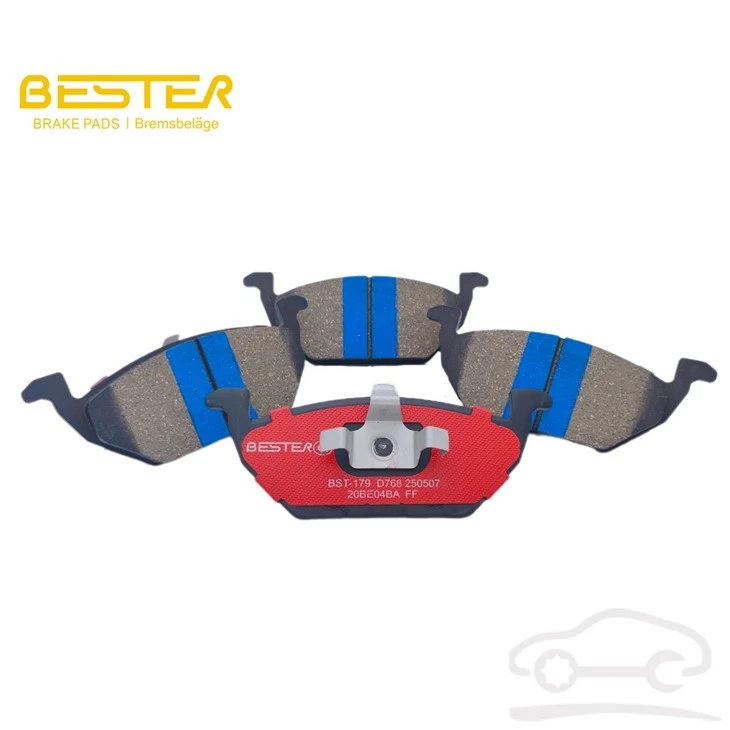
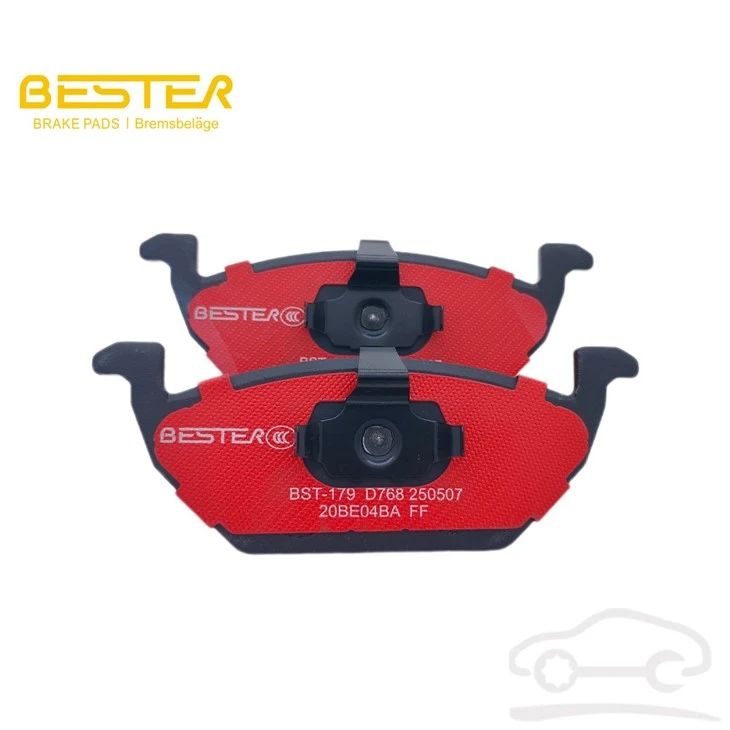
But before you grab your tools and get started, you need to make sure you have the right brake pads for your car. That's where we come in as a brake pads supplier. We offer a wide range of high - quality brake pads, like the Ceramic Disc Front BESTER Brake Pad D768 SP1701 GDB1984. These ceramic brake pads are known for their excellent performance, low noise, and long lifespan. They're a great choice for most cars, especially if you're looking for a smooth and quiet braking experience.
Another great option is the Ceramics Brake Pad Set D919 SP2213 GDB1857. This set is designed to provide reliable braking power and is suitable for various driving conditions. Whether you're doing city driving or taking long road trips, these brake pads will have you covered.
And if you're looking for something a bit different, check out the D145 Disc Ceramic Less Metal Brake Pads 0014209920. These brake pads have less metal content, which means they produce less dust and are more environmentally friendly. They also offer good braking performance without sacrificing durability.
Now, let's talk about the process of replacing brake pads. First, you'll need to gather the necessary tools. You'll typically need a jack, jack stands, a lug wrench, a C - clamp, and a socket set. Safety is crucial here, so make sure you park your car on a flat, stable surface and engage the parking brake.
Start by loosening the lug nuts on the wheel you're working on. Don't remove them completely just yet. Then, use the jack to lift the car off the ground and place the jack stands under the appropriate lifting points. Once the car is secure on the jack stands, you can remove the lug nuts and take off the wheel.
Next, locate the brake caliper. The caliper is the part that squeezes the brake pads against the brake rotor. You'll usually need to remove a couple of bolts to take the caliper off. Be careful when handling the caliper, as it's connected to a brake line. You might need to use a C - clamp to compress the caliper piston so that you can install the new brake pads.
Once the caliper is off, you can remove the old brake pads. Take a good look at the brake rotor while you're at it. If it's worn or damaged, you might need to have it resurfaced or replaced. Install the new brake pads in the same way the old ones were removed. Make sure they fit snugly and are properly aligned.
Put the caliper back on and tighten the bolts. Then, put the wheel back on and tighten the lug nuts. Lower the car off the jack stands and double - check that all the lug nuts are tightened properly. Repeat this process for all the wheels that need new brake pads.
But here's the thing. Replacing brake pads isn't always as easy as it sounds. There are some potential challenges you might face. For example, if you've never done this before, you might have trouble compressing the caliper piston. Some cars also have more complex brake systems, which can make the replacement process a bit more difficult. And if you make a mistake, it could affect your car's braking performance, which is extremely dangerous.
So, if you're a beginner and don't have much experience working on cars, you might want to think twice before attempting to replace the brake pads yourself. It might be a good idea to start with a simple car or practice on a friend's vehicle first. You could also watch some online tutorials to get a better idea of the process.
On the other hand, if you're a seasoned DIYer and have the right tools and knowledge, then go for it! Just make sure you take your time and follow the instructions carefully. And always remember to prioritize safety.
In conclusion, replacing brake pads yourself is possible, but it's not for everyone. It depends on your level of experience, the tools you have, and the type of car you have. As a brake pads supplier, we're here to provide you with the best - quality brake pads and help you make the right choice for your car.
If you're interested in purchasing our brake pads or have any questions about the replacement process, feel free to reach out. We're always happy to assist you with your brake pad needs. Whether you're a DIY enthusiast or just looking for high - quality brake pads for your mechanic to install, we've got you covered. So, don't hesitate to get in touch and start the conversation about your brake pad requirements.
References:
- General automotive repair knowledge and experience in the brake pads industry.