

When it comes to maintaining the safety and performance of your truck, the brake system stands as one of the most critical components. As a trusted truck brake pads supplier, I often encounter a frequently asked question from truck owners and operators: Can I mix different brands of truck brake pads on the same truck? This seemingly straightforward question actually delves into a complex web of technical and safety considerations that every truck driver and fleet manager should understand.
Understanding the Basics of Truck Brake Pads
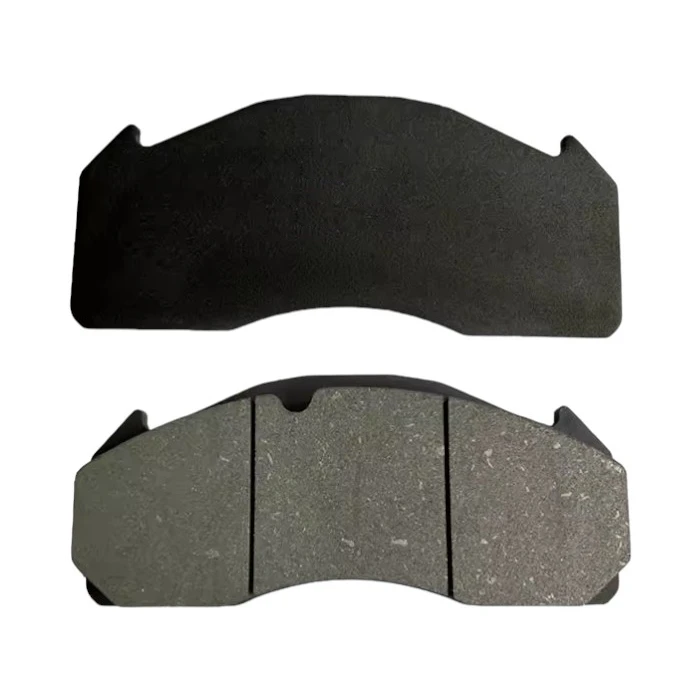
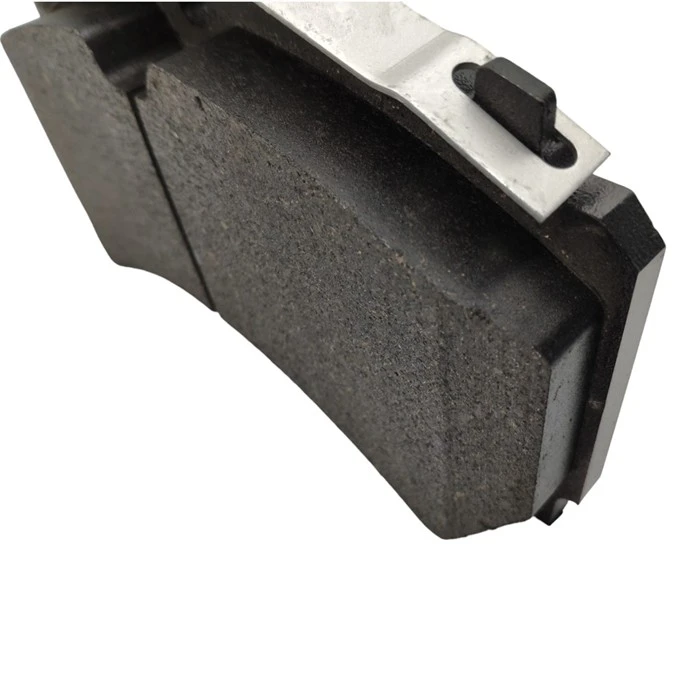
Before we dive into the question of mixing brake pad brands, it's essential to grasp the fundamental role of brake pads in a truck's braking system. Brake pads are the friction materials that clamp down on the brake rotors when you press the brake pedal. This friction converts the kinetic energy of the moving truck into heat energy, effectively slowing down or stopping the vehicle.
Truck brake pads come in various types, each designed to meet specific performance requirements. For instance, Heavy Duty Ceramic Brake Pads are known for their excellent heat dissipation and long service life, making them ideal for heavy - duty applications. On the other hand, Transit Van Brake Pads are engineered to provide smooth and quiet braking for smaller commercial vehicles. Commercial Brake Pads offer a balance between performance and cost - effectiveness, suitable for a wide range of commercial trucks.
The Case Against Mixing Different Brands of Brake Pads
While it may seem like a cost - saving or convenient option to mix different brands of brake pads on the same truck, there are several compelling reasons why this practice is generally not recommended.
1. Inconsistent Friction Coefficients
Each brake pad brand formulates its friction materials differently, resulting in unique friction coefficients. The friction coefficient determines how effectively the brake pads can grip the rotors and slow down the truck. When you mix different brands of brake pads, the inconsistent friction coefficients can lead to uneven braking performance. For example, one set of brake pads may provide more stopping power than the others, causing the truck to pull to one side when braking. This not only compromises the safety of the vehicle but also increases the wear and tear on the brake system components.
2. Uneven Wear
Different brake pad brands may have different wear rates due to variations in their material composition and manufacturing processes. Mixing these brake pads can cause uneven wear on the brake rotors and calipers. The brake pads that wear faster will need to be replaced more frequently, while the slower - wearing pads may still have significant life left. This can lead to unnecessary maintenance costs and potentially unsafe braking conditions if the worn - out pads are not replaced in a timely manner.
3. Compatibility Issues
Brake pad manufacturers design their products to work in harmony with specific brake system components, such as rotors and calipers. Mixing different brands of brake pads may result in compatibility issues. For instance, some brake pads may generate more dust or debris than others, which can accumulate in the calipers and affect their proper functioning. Additionally, the shape and size of the brake pads may vary slightly between brands, which can lead to improper fitment and reduced braking efficiency.
When Mixing Brake Pads Might Be Considered
Although mixing different brands of brake pads is generally not recommended, there are a few rare situations where it might be considered, but only with extreme caution.
1. Emergency Situations
In an emergency situation where a replacement brake pad of the same brand is not immediately available, mixing brake pads as a temporary solution may be necessary to get the truck to a safe location. However, this should only be a short - term fix, and the brake pads should be replaced with a matching set as soon as possible.
2. Upgrading a Single Axle
In some cases, truck owners may want to upgrade the brake pads on a single axle to improve the overall braking performance of the vehicle. For example, upgrading to high - performance brake pads on the front axle can enhance the stopping power of the truck. If this is done, it is crucial to ensure that the new brake pads are compatible with the existing brake system components and that the braking performance is balanced across all axles.
Best Practices for Brake Pad Replacement
To ensure the safety and performance of your truck's brake system, it is best to follow these best practices when replacing brake pads:
1. Replace Brake Pads in Sets
Always replace the brake pads on all wheels of the same axle at the same time. This ensures consistent braking performance and even wear across the entire brake system. If possible, replace the brake pads on all axles simultaneously to maintain a balanced braking force.
2. Choose the Right Brake Pads
Select brake pads that are specifically designed for your truck's make, model, and intended use. Consider factors such as the vehicle's weight, driving conditions, and performance requirements when choosing brake pads. Consult your truck's owner's manual or a professional mechanic for recommendations.
3. Inspect the Entire Brake System
Before installing new brake pads, thoroughly inspect the entire brake system, including the rotors, calipers, and brake lines. Replace any worn or damaged components to ensure the proper functioning of the brake system.
4. Follow the Manufacturer's Installation Instructions
Proper installation of brake pads is crucial for their performance and safety. Follow the manufacturer's installation instructions carefully, including torque specifications and bedding - in procedures.
Conclusion
As a truck brake pads supplier, I understand that cost and convenience are important factors for truck owners and operators. However, when it comes to the safety and performance of your truck's brake system, it is not worth taking the risk of mixing different brands of brake pads. By following the best practices for brake pad replacement and using high - quality, matching brake pads, you can ensure the reliable operation of your truck's brake system and protect the lives of everyone on the road.
If you have any questions about choosing the right brake pads for your truck or need more information about our Heavy Duty Ceramic Brake Pads, Transit Van Brake Pads, or Commercial Brake Pads, please feel free to contact us for a detailed consultation. We are here to help you make the best decisions for your truck's braking needs.
References
- "Brake System Basics," Brake Manufacturers Council.
- "Truck Brake Pad Selection Guide," Commercial Vehicle Safety Alliance.
- "The Importance of Consistent Brake Pad Friction Coefficients," Society of Automotive Engineers.