

Can handbrake brake shoes cause noise when braking?
As a supplier of handbrake brake shoes, I've encountered numerous inquiries from customers regarding the issue of noise during braking. This common concern often leaves vehicle owners frustrated and seeking answers. In this blog, I'll explore the factors that can cause handbrake brake shoes to generate noise when braking and offer insights on how to address this problem.
Understanding the Role of Handbrake Brake Shoes
Before delving into the causes of noise, it's essential to understand the function of handbrake brake shoes. The handbrake, also known as the parking brake, is a secondary braking system that is used to keep the vehicle stationary when parked. The handbrake brake shoes are designed to engage with the brake drum or rotor to provide additional braking force. When the handbrake is applied, the brake shoes press against the drum or rotor, creating friction that slows down or stops the vehicle.
Common Causes of Noise from Handbrake Brake Shoes
There are several factors that can contribute to noise when using the handbrake. Here are some of the most common causes:
1. Wear and Tear
Over time, the brake shoes can wear down due to normal use. As the brake shoes wear, the friction material on the surface of the shoes can become uneven, causing noise when the shoes come into contact with the brake drum or rotor. This noise is often described as a squealing or grinding sound. If the brake shoes are severely worn, they may need to be replaced to eliminate the noise.
2. Contamination
Contamination of the brake shoes can also cause noise. Dirt, dust, oil, or other debris can accumulate on the surface of the brake shoes, reducing their friction and causing them to slip against the drum or rotor. This can result in a rattling or vibrating noise. Regular cleaning of the brake components can help prevent contamination and reduce the likelihood of noise.
3. Incorrect Installation
Improper installation of the handbrake brake shoes can lead to noise. If the brake shoes are not installed correctly, they may not make proper contact with the drum or rotor, causing uneven wear and noise. It's important to follow the manufacturer's instructions carefully when installing brake shoes to ensure a proper fit and alignment.
4. Hardened Friction Material
The friction material on the brake shoes can harden over time, especially if the vehicle is frequently driven in stop-and-go traffic or under heavy braking conditions. Hardened friction material can cause the brake shoes to produce a high-pitched squeal when braking. In some cases, replacing the brake shoes with ones that have a softer friction material can help reduce the noise.
5. Brake Drum or Rotor Issues
Problems with the brake drum or rotor can also contribute to noise from the handbrake brake shoes. If the drum or rotor is warped, scored, or damaged, it can cause the brake shoes to make uneven contact, resulting in noise. In such cases, the drum or rotor may need to be resurfaced or replaced.
How to Address Noise from Handbrake Brake Shoes
If you're experiencing noise from your handbrake brake shoes, there are several steps you can take to address the issue:
1. Inspect the Brake Shoes
The first step is to inspect the brake shoes for wear and damage. Look for signs of uneven wear, cracks, or excessive thinning of the friction material. If the brake shoes are worn beyond the recommended limit, they should be replaced.
2. Clean the Brake Components
Clean the brake shoes, drum, and other brake components to remove any dirt, dust, or debris. Use a brake cleaner and a soft brush to gently clean the surfaces. This can help improve the friction between the brake shoes and the drum or rotor and reduce noise.
3. Check the Installation
Ensure that the brake shoes are installed correctly and that all the components are properly aligned. If you're not confident in your ability to install the brake shoes, it's best to have a professional mechanic perform the installation.
4. Replace the Brake Shoes
If the brake shoes are worn or damaged, or if the noise persists after cleaning and inspection, it's recommended to replace the brake shoes. When choosing new brake shoes, consider factors such as the type of vehicle, driving conditions, and your budget. We offer a wide range of high-quality handbrake brake shoes, including Ceramic Drum Brake Shoes and Trailer Drum Brake Shoes, which are designed to provide reliable performance and reduce noise.
5. Resurface or Replace the Brake Drum or Rotor
If the brake drum or rotor is warped, scored, or damaged, it may need to be resurfaced or replaced. A professional mechanic can assess the condition of the drum or rotor and recommend the appropriate course of action.
Our Product Offerings
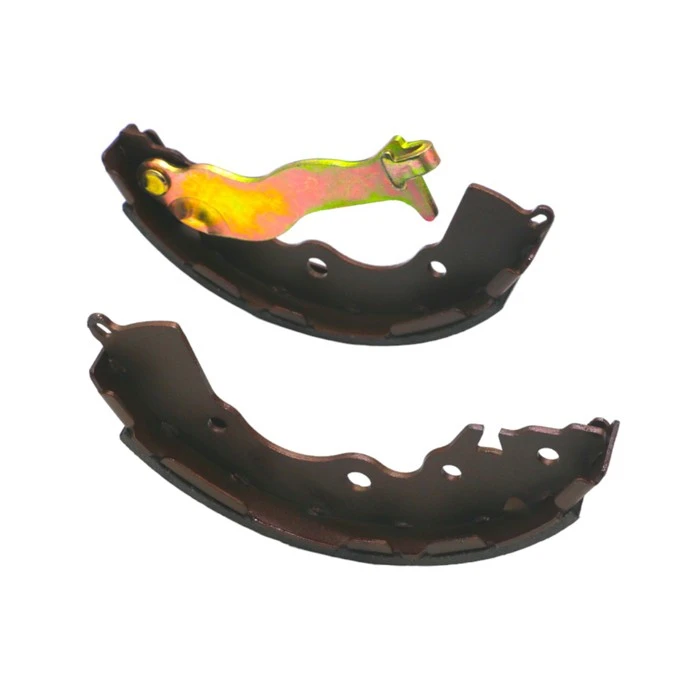
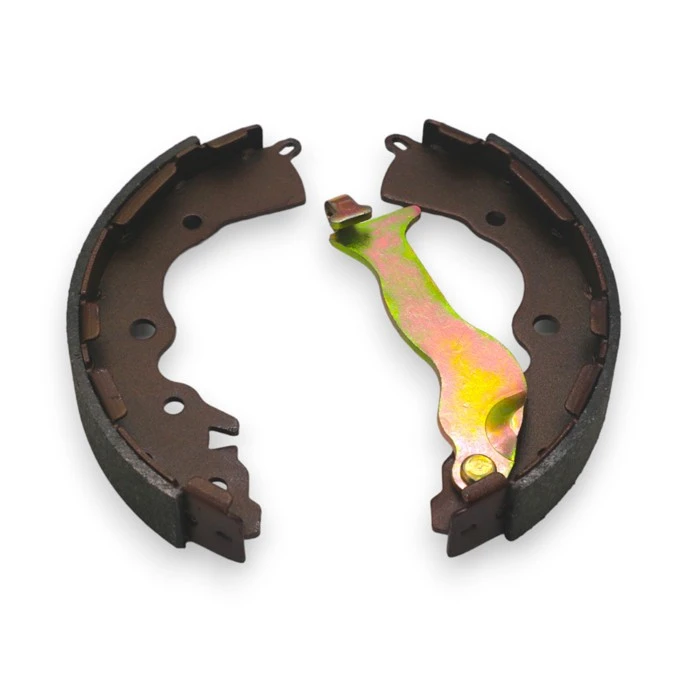
As a leading supplier of handbrake brake shoes, we are committed to providing our customers with high-quality products that meet their needs. Our Ceramic Drum Brake Shoes are made from advanced ceramic materials that offer superior performance and durability. These brake shoes provide excellent braking power, reduced noise, and longer service life compared to traditional brake shoes.
Our Trailer Drum Brake Shoes are specifically designed for trailers and other heavy-duty applications. They are engineered to withstand the rigors of frequent use and provide reliable braking performance in all conditions.
Contact Us for Purchase and Consultation
If you're experiencing noise from your handbrake brake shoes or are in need of high-quality brake shoes for your vehicle, we're here to help. Our team of experts can provide you with professional advice and guidance on choosing the right brake shoes for your specific needs. Whether you're a mechanic, a vehicle owner, or a distributor, we welcome you to contact us for purchase and consultation. We look forward to serving you and helping you find the best solutions for your braking needs.
References
- Automotive Brake Systems: Principles, Diagnosis, and Service by James D. Halderman
- Brake Handbook by Robert Bosch GmbH