

When it comes to vehicle safety, one of the most critical components is the braking system. Among the various parts of the braking system, car rear brake shoes play a pivotal role in ensuring that a vehicle can stop safely and efficiently. As a supplier of car rear brake shoes, I have seen firsthand the importance of these components and the potential safety concerns that can arise when they are in bad condition.
How Car Rear Brake Shoes Work
Before delving into the safety concerns, it's essential to understand how car rear brake shoes function. In a drum - brake system, which is commonly used for rear brakes in many vehicles, the brake shoes are mounted inside a brake drum. When the driver presses the brake pedal, hydraulic pressure is applied to the brake shoes, causing them to expand against the inner surface of the brake drum. This friction between the brake shoes and the drum slows down the rotation of the wheels, ultimately bringing the vehicle to a stop.

Safety Concerns with Bad Car Rear Brake Shoes
Reduced Braking Performance
One of the most obvious safety concerns with bad rear brake shoes is reduced braking performance. Over time, brake shoes wear down due to the friction generated during braking. When the brake shoes are worn beyond their recommended thickness, they have less material to create friction against the brake drum. As a result, the vehicle may take longer to stop, especially in emergency situations. This increased stopping distance can significantly increase the risk of collisions, as the driver may not be able to stop the vehicle in time to avoid an obstacle or another vehicle.
For example, if a vehicle with worn rear brake shoes is traveling at a moderate speed and suddenly needs to stop, it may require a much longer distance to come to a complete halt compared to a vehicle with properly functioning brake shoes. This delay in stopping can be the difference between a near - miss and a serious accident.
Uneven Braking
Another safety issue associated with bad rear brake shoes is uneven braking. If one or more of the rear brake shoes are worn unevenly or damaged, it can cause the vehicle to pull to one side when braking. This uneven distribution of braking force can make the vehicle difficult to control, especially at high speeds or in adverse weather conditions.
Imagine driving on a wet or slippery road and applying the brakes. If the rear brakes are not working evenly, the vehicle may veer to one side, increasing the risk of skidding or losing control. This can be extremely dangerous, as it can lead to the vehicle colliding with other objects or even rolling over.
Brake Failure
In severe cases, bad rear brake shoes can lead to complete brake failure. If the brake shoes are so worn that they no longer make sufficient contact with the brake drum, or if they become detached from the brake assembly, the rear brakes will stop working altogether. When the rear brakes fail, the front brakes have to bear the entire load of stopping the vehicle. This can put excessive stress on the front brakes, causing them to overheat and potentially fail as well.
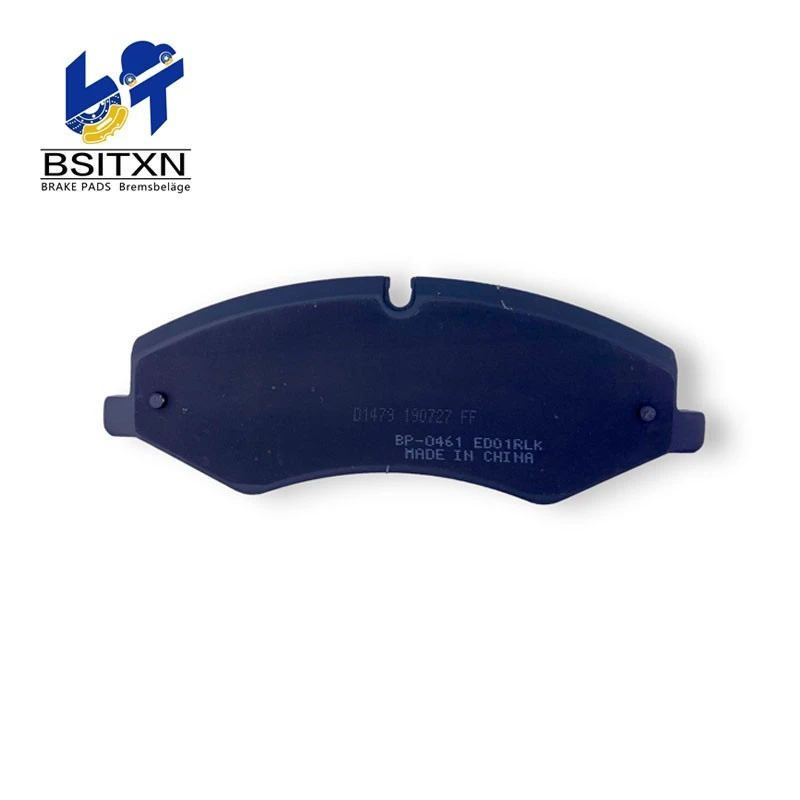
A complete brake failure is a life - threatening situation, as the driver will have little or no control over the vehicle's speed. In such cases, the vehicle may continue to move uncontrollably, increasing the likelihood of a serious accident.
Causes of Bad Car Rear Brake Shoes
Normal Wear and Tear
The most common cause of bad rear brake shoes is normal wear and tear. As mentioned earlier, the friction between the brake shoes and the brake drum during braking gradually wears down the brake shoes. The rate of wear depends on several factors, including driving habits, vehicle weight, and road conditions. Aggressive driving, frequent stop - and - go traffic, and heavy loads can all accelerate the wear of brake shoes.
Contamination
Brake shoes can also be damaged by contamination. Oil, grease, or brake fluid leaks can get onto the brake shoes, reducing their friction coefficient. When the brake shoes are contaminated, they may not be able to grip the brake drum effectively, leading to reduced braking performance.
Poor Installation
Incorrect installation of rear brake shoes can also cause problems. If the brake shoes are not installed properly, they may not make proper contact with the brake drum, resulting in uneven braking or premature wear. Additionally, improper installation can cause the brake shoes to become loose or detached from the brake assembly, increasing the risk of brake failure.
Our High - Quality Car Rear Brake Shoes
As a supplier of car rear brake shoes, we are committed to providing high - quality products that meet the strictest safety standards. Our brake shoes are made from premium materials that offer excellent friction and durability. They are designed to provide consistent braking performance, even under extreme conditions.
We offer a wide range of brake shoes to suit different vehicle models and applications. For example, our 0446528520 A1N139 SN695 SS695S AN735WK D1524 D2265 SP2183 GDB3455 Brake Pad is a popular choice among our customers. It is engineered to deliver reliable stopping power and long - lasting performance.
Our Semi - metallic Ceramic Brake Pads 0060526040 combine the best of both worlds. They offer the high - performance characteristics of semi - metallic brake pads with the low - dust and quiet operation of ceramic brake pads.
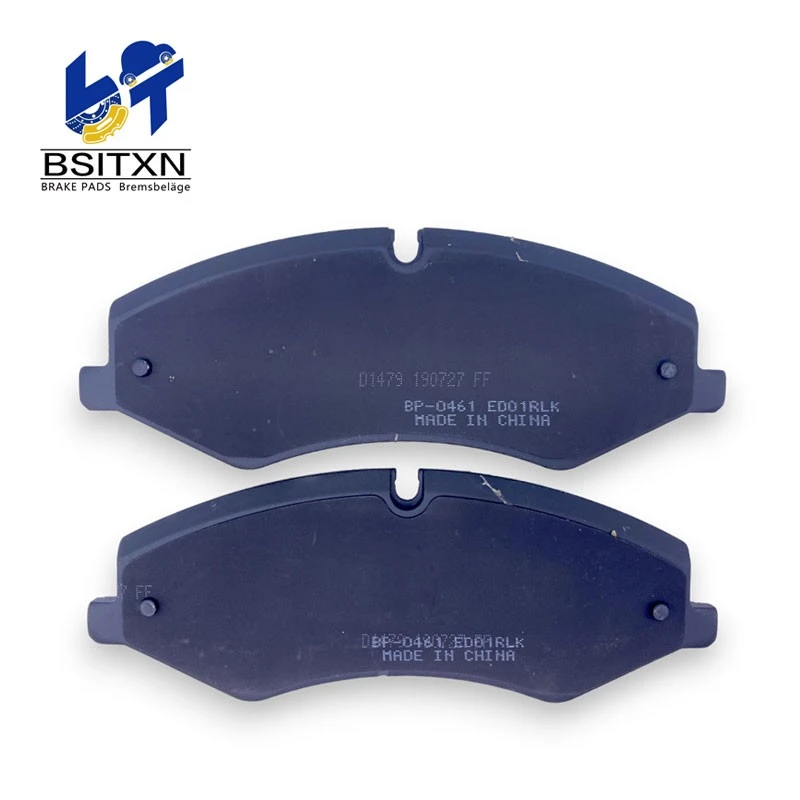
For those looking for even higher - performance options, our Carbon Metallic Brake Pad is an excellent choice. It is designed for high - performance vehicles and offers superior braking performance and heat dissipation.
Importance of Regular Brake Inspections
To prevent the safety concerns associated with bad rear brake shoes, it is crucial to have regular brake inspections. A qualified mechanic can check the condition of the brake shoes, measure their thickness, and look for signs of wear, damage, or contamination. By detecting problems early, it is possible to replace the brake shoes before they cause serious safety issues.

Most vehicle manufacturers recommend having the brakes inspected at least once a year or every 12,000 - 15,000 miles, depending on driving conditions. However, if you notice any signs of brake problems, such as a soft or spongy brake pedal, a pulling sensation when braking, or unusual noises when applying the brakes, it is important to have your brakes inspected immediately.
Conclusion
In conclusion, bad car rear brake shoes pose significant safety concerns. Reduced braking performance, uneven braking, and brake failure are all potential risks associated with worn or damaged brake shoes. As a supplier of car rear brake shoes, we understand the importance of providing high - quality products that ensure the safety of drivers and passengers.
We encourage all vehicle owners to be proactive about their brake maintenance. Regular brake inspections and timely replacement of worn brake shoes can help prevent accidents and keep you safe on the road.
If you are in the market for high - quality car rear brake shoes, we invite you to contact us for more information. Our team of experts is ready to assist you in finding the right brake shoes for your vehicle. We look forward to the opportunity to work with you and contribute to your vehicle's safety.
References
- Bosch Automotive Handbook. Robert Bosch GmbH, 2014.
- Haynes Repair Manuals. Various editions for different vehicle models.
- SAE International standards related to automotive braking systems.