

In the modern era, environmental protection has become a pressing global concern. Every industry is under increasing pressure to adopt eco - friendly practices, and the automotive sector is no exception. As a supplier of bus front brake pads, I often get asked the question: Are there any eco - friendly bus front brake pads? In this blog, I will explore this topic in detail, looking at the current state of eco - friendly brake pads, their benefits, and how we as a supplier are contributing to this green movement.
The Environmental Impact of Traditional Brake Pads
Traditional brake pads have long been a staple in the automotive industry. However, they come with a significant environmental footprint. Most conventional brake pads are made from semi - metallic materials, which contain a mix of metals such as iron, copper, and steel. When these brake pads wear down during normal use, they release tiny metal particles into the environment. These particles can contaminate soil and water sources, posing a threat to both human health and the ecosystem.
Copper, in particular, has been identified as a major pollutant. It can be toxic to aquatic life, even at low concentrations. As buses are large vehicles that require frequent braking, the amount of copper and other metal particles released from their brake pads can be substantial. Additionally, the manufacturing process of traditional brake pads is energy - intensive, contributing to greenhouse gas emissions.
The Rise of Eco - Friendly Brake Pads
In response to these environmental concerns, the automotive industry has been actively developing eco - friendly brake pads. These new - generation brake pads are designed to minimize environmental impact while still providing reliable braking performance.
One type of eco - friendly brake pad is made from organic materials. These pads are typically composed of fibers such as aramid, cellulose, and glass, along with a resin binder. Organic brake pads produce less dust compared to semi - metallic pads, which means fewer harmful particles are released into the air. They also have a lower wear rate, which reduces the frequency of replacement and, consequently, the amount of waste generated.
Another option is ceramic brake pads. Ceramic brake pads are made from a combination of ceramic fibers, non - ferrous metals, and fillers. They offer several environmental advantages. First, they produce very little dust, and the dust they do produce is less harmful to the environment. Second, ceramic brake pads have excellent heat dissipation properties, which means they can maintain their performance over a longer period. This reduces the need for frequent replacements, leading to less waste.
Benefits of Eco - Friendly Bus Front Brake Pads
The benefits of eco - friendly bus front brake pads extend beyond environmental protection. For bus operators, these pads can offer significant cost savings in the long run. Since eco - friendly brake pads have a lower wear rate, they need to be replaced less frequently. This reduces maintenance costs and downtime for the buses.
In addition, eco - friendly brake pads can improve the overall safety of the buses. The consistent performance of ceramic and organic brake pads means that they can provide reliable braking in a variety of conditions. This is especially important for buses, which carry a large number of passengers and need to stop safely in all situations.
From a public relations perspective, using eco - friendly brake pads can enhance the reputation of bus companies. In today's environmentally conscious society, consumers are more likely to support companies that take steps to reduce their environmental impact. By using eco - friendly brake pads, bus companies can demonstrate their commitment to sustainability and attract more customers.

Our Contribution as a Bus Front Brake Pads Supplier
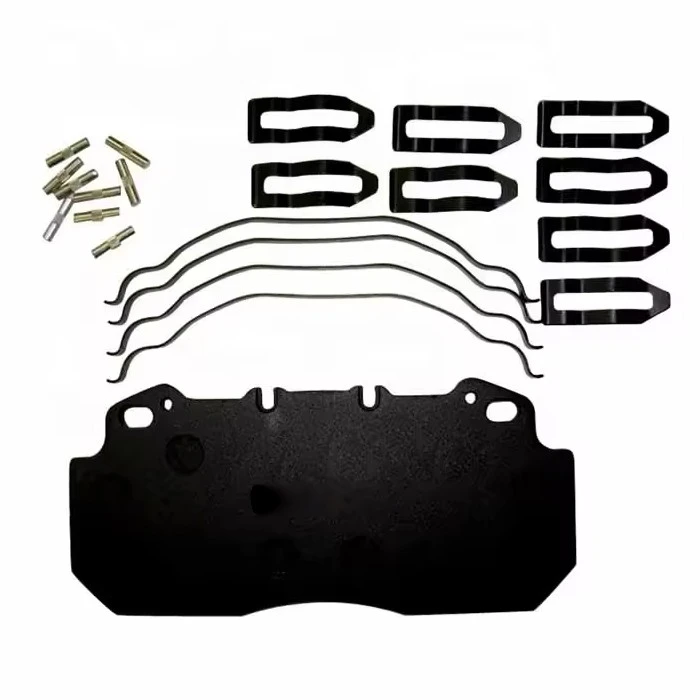
As a supplier of bus front brake pads, we are committed to providing eco - friendly solutions to our customers. We offer a range of Bus Front Brake Pads that are designed to meet the highest environmental standards.
Our organic brake pads are made from high - quality, sustainable materials. We source our fibers from renewable resources and use a resin binder that is free from harmful chemicals. These pads have been tested extensively to ensure they meet the performance requirements of buses. They offer smooth and quiet braking, with a long service life.
Our ceramic brake pads are also a popular choice among our customers. They are engineered to provide excellent braking performance in all conditions, while minimizing environmental impact. We use advanced manufacturing techniques to ensure the consistency and quality of our ceramic brake pads.
In addition to our product offerings, we also provide technical support to our customers. We can help bus operators choose the right eco - friendly brake pads for their specific needs and provide installation and maintenance guidelines.
The Future of Eco - Friendly Bus Front Brake Pads
The future of eco - friendly bus front brake pads looks promising. As technology continues to advance, we can expect to see even more innovative solutions in the market. For example, researchers are exploring the use of nanomaterials in brake pads. Nanomaterials have the potential to improve the performance of brake pads while reducing their environmental impact.
There is also a growing trend towards the use of recycled materials in brake pad manufacturing. By using recycled metals and fibers, we can reduce the demand for virgin materials and minimize waste. This not only benefits the environment but also helps to reduce the cost of production.
Contact Us for Procurement and Collaboration
If you are interested in purchasing eco - friendly bus front brake pads, we would be delighted to hear from you. Our team of experts can provide you with detailed information about our products, including their features, benefits, and pricing. We can also offer customized solutions to meet your specific requirements.
Whether you are a bus operator, a fleet manager, or a distributor, we have the products and services to meet your needs. Contact us today to start a discussion about how we can work together to make your buses more eco - friendly and efficient.
References
- "Environmental Impact of Automotive Brake Wear Particles" - Journal of Environmental Science and Technology
- "Advances in Eco - Friendly Brake Pad Materials" - International Journal of Automotive Engineering
- "The Future of Sustainable Brake Systems" - Automotive Industry Review