

Are organic disc brake pads compatible with all vehicles?
As a supplier of organic disc brake pads, I often get asked whether our products are compatible with all vehicles. It's a valid question, considering the wide variety of vehicles on the market and the different requirements for braking systems. In this blog post, I'll explore the compatibility of organic disc brake pads with various types of vehicles and provide some insights to help you make an informed decision.
Understanding Organic Disc Brake Pads
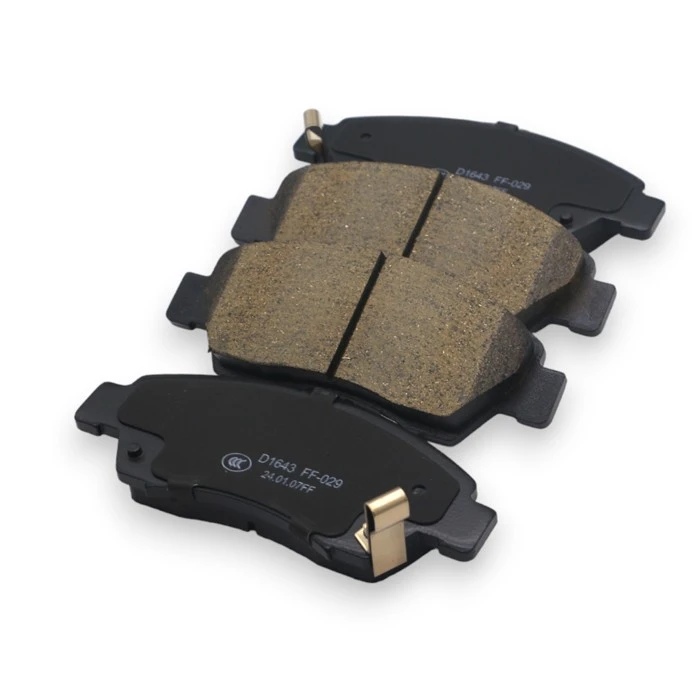
Before we dive into compatibility, let's first understand what organic disc brake pads are. Organic brake pads are made from a mixture of natural and synthetic materials, such as rubber, glass, and Kevlar. These materials are compressed and bonded together to form a friction material that provides stopping power when pressed against the brake rotor.
One of the key advantages of organic disc brake pads is their quiet operation. The soft nature of the organic materials reduces noise and vibration, making for a smoother and more comfortable driving experience. Additionally, organic brake pads produce less dust compared to other types of brake pads, which helps keep your wheels clean.
Compatibility Factors
When it comes to determining whether organic disc brake pads are compatible with a particular vehicle, several factors need to be considered:
Vehicle Type
The type of vehicle plays a significant role in brake pad compatibility. Organic disc brake pads are generally suitable for most passenger cars, sedans, and small SUVs. These vehicles typically have lighter weight and less demanding braking requirements, making organic brake pads a good choice.
However, for larger vehicles such as trucks, buses, and high-performance sports cars, organic brake pads may not be the best option. These vehicles require more stopping power and can generate higher temperatures during braking. In such cases, semi-metallic or ceramic brake pads may be more appropriate.
Driving Conditions
Your driving habits and the conditions in which you drive also impact brake pad compatibility. If you do a lot of city driving with frequent stops and starts, organic brake pads can handle the moderate braking demands well. They provide smooth and consistent stopping power, making them ideal for urban environments.
On the other hand, if you frequently drive on highways or in mountainous regions, where you need to rely on your brakes for extended periods or during high-speed descents, organic brake pads may not be sufficient. The increased heat generated during these types of driving conditions can cause organic brake pads to fade, reducing their effectiveness.
Brake System Design
The design of the vehicle's brake system is another crucial factor. Different vehicles have different brake caliper sizes, rotor diameters, and brake pad mounting configurations. Organic disc brake pads need to be specifically designed to fit the brake system of a particular vehicle.
When selecting organic brake pads, it's essential to ensure that they are the correct size and shape for your vehicle's brake calipers. Using the wrong size brake pads can lead to improper fitment, reduced braking performance, and potential safety hazards.

Advantages of Organic Disc Brake Pads
Despite the limitations in compatibility, organic disc brake pads offer several advantages that make them a popular choice for many drivers:
Quiet Operation
As mentioned earlier, organic brake pads are known for their quiet operation. The soft friction material reduces noise and vibration, providing a more comfortable driving experience. This is especially important for drivers who value a quiet and peaceful ride.
Low Dust Generation
Organic brake pads produce less dust compared to other types of brake pads, such as semi-metallic or sintered brakes. This not only helps keep your wheels clean but also reduces the amount of brake dust that can accumulate on your vehicle's components, potentially extending their lifespan.
Gentle on Rotors
The organic friction material is less abrasive than other types of brake pads, which means it is gentler on the brake rotors. This can help prevent premature wear and damage to the rotors, reducing the need for costly rotor replacements.
Other Types of Brake Pads
While organic disc brake pads have their advantages, there are other types of brake pads available on the market that may be more suitable for certain vehicles or driving conditions:
Low Dust Semi Metallic Brake Pads
Semi-metallic brake pads are made from a mixture of metal fibers, such as steel, copper, and iron, along with organic materials. They offer better heat dissipation and higher friction coefficients compared to organic brake pads, making them suitable for more demanding driving conditions.
Sinter Brakes
Sintered brake pads are made by sintering metal powders together under high pressure and temperature. They are extremely durable and offer excellent stopping power, even in extreme conditions. Sintered brake pads are commonly used in high-performance vehicles and heavy-duty applications.
Ceramic Dust Free Brake Pads
Ceramic brake pads are made from a ceramic compound that provides excellent braking performance, low noise, and minimal dust generation. They are known for their long lifespan and are often used in luxury vehicles and high-end sports cars.
Making the Right Choice
When it comes to choosing the right brake pads for your vehicle, it's important to consider your specific needs and driving conditions. If you have a passenger car or small SUV and do mostly city driving, organic disc brake pads may be a suitable option. They offer quiet operation, low dust generation, and gentle on rotors.
However, if you have a larger vehicle, drive in more demanding conditions, or require higher performance braking, you may want to consider semi-metallic, sintered, or ceramic brake pads. These types of brake pads can provide the additional stopping power and heat resistance needed for more challenging driving situations.
As a supplier of organic disc brake pads, we offer a wide range of products to suit different vehicles and driving needs. Our team of experts can help you select the right brake pads for your vehicle and provide you with all the information you need to make an informed decision.
Contact Us for Procurement
If you're interested in purchasing organic disc brake pads or have any questions about our products, we'd love to hear from you. Our dedicated sales team is ready to assist you with your procurement needs and provide you with competitive pricing and excellent customer service.
Don't hesitate to reach out to us to start a discussion about your brake pad requirements. We look forward to working with you and helping you find the perfect brake pads for your vehicle.
References
- "Brake Pad Materials and Their Characteristics." Brake & Front End Magazine.
- "How to Choose the Right Brake Pads for Your Vehicle." AutoZone.
- "Brake Pad Compatibility: What You Need to Know." CarParts.com.