

In the automotive industry, the choice between organic disc brake pads and semi - metallic ones is a crucial decision that impacts vehicle safety, performance, and maintenance. As a supplier of organic disc brake pads, I am deeply involved in understanding the intricacies of these two types of brake pads. This blog post aims to explore whether organic disc brake pads are truly better than semi - metallic ones, considering various factors such as performance, durability, cost, and environmental impact.
Performance
One of the primary considerations when choosing brake pads is their performance under different driving conditions. Organic disc brake pads are known for their smooth and quiet operation. They are made from a combination of natural and synthetic materials such as rubber, glass, and resin. These materials create a soft friction surface that gradually engages with the brake rotor, resulting in a more gentle and predictable braking experience. This is particularly beneficial for daily driving, where a smooth stop is not only comfortable but also reduces wear and tear on the vehicle's braking system.
On the other hand, semi - metallic brake pads are composed of a blend of metal fibers, typically steel, copper, and iron, along with other friction materials. They offer excellent stopping power, especially at high speeds and under heavy braking conditions. The metal fibers in semi - metallic brake pads can dissipate heat more effectively than organic materials, which helps prevent brake fade. Brake fade occurs when the brake pads overheat, causing a reduction in braking performance. However, this superior stopping power often comes at the cost of a harsher and noisier braking experience. The metal fibers can cause more vibration and noise, which may be a nuisance for some drivers.
In terms of performance, if you are a daily commuter who drives mainly in urban areas with frequent stop - and - go traffic, organic disc brake pads may be the better choice. Their smooth operation and quiet nature make them ideal for this type of driving. However, if you are an enthusiast who enjoys high - speed driving or participates in track events, semi - metallic brake pads might be more suitable due to their superior stopping power and heat dissipation capabilities.
Durability
Durability is another important factor to consider when comparing organic and semi - metallic brake pads. Organic disc brake pads generally have a shorter lifespan compared to semi - metallic ones. The soft friction material in organic pads wears down more quickly, especially under heavy use. This means that they may need to be replaced more frequently, which can increase the long - term cost of ownership.
Semi - metallic brake pads, with their more robust metal fibers, are more resistant to wear. They can withstand higher temperatures and more intense braking forces without significant degradation. As a result, they tend to last longer, reducing the frequency of brake pad replacements. However, the metal fibers in semi - metallic pads can also cause more wear on the brake rotors. The abrasive nature of the metal can score and damage the rotor surface, leading to the need for rotor resurfacing or replacement over time.
When it comes to durability, if you want a brake pad that requires less frequent replacement and can handle more demanding driving conditions, semi - metallic brake pads are a better option. But if you are willing to accept more frequent replacements in exchange for a brake pad that is gentler on your rotors, organic disc brake pads may be the way to go.
Cost
Cost is always a significant factor in any purchasing decision. Organic disc brake pads are generally less expensive than semi - metallic ones. The materials used in organic pads are more readily available and less costly to produce, which is reflected in their lower price point. This makes them an attractive option for budget - conscious consumers who want reliable braking performance without breaking the bank.
Semi - metallic brake pads, on the other hand, are more expensive due to the higher cost of the metal fibers and the manufacturing processes involved. Additionally, as mentioned earlier, they may require rotor resurfacing or replacement over time, which further adds to the overall cost. However, considering their longer lifespan, the cost per mile of using semi - metallic brake pads may be comparable to or even lower than that of organic pads in the long run, especially for drivers who put a lot of miles on their vehicles.
If you are on a tight budget and do not drive under extremely demanding conditions, organic disc brake pads offer a cost - effective solution. But if you are willing to invest more upfront for a brake pad that lasts longer and provides better performance in high - stress situations, semi - metallic brake pads may be worth the extra cost.
Environmental Impact
In today's environmentally conscious world, the environmental impact of automotive products is an important consideration. Organic disc brake pads have a more positive environmental footprint compared to semi - metallic ones. The materials used in organic pads are often natural and biodegradable, which means they have a lower impact on the environment during their production and disposal.
Semi - metallic brake pads, on the other hand, contain metal fibers that are not biodegradable. The mining and processing of these metals also consume a significant amount of energy and resources. Additionally, the wear particles generated by semi - metallic pads can contain heavy metals, which can be harmful to the environment if they are released into the air or water.
If environmental sustainability is a priority for you, organic disc brake pads are the clear choice. They offer a more eco - friendly alternative without sacrificing too much in terms of performance for most everyday driving scenarios.
Other Types of Brake Pads
In addition to organic and semi - metallic brake pads, there are other types of brake pads available in the market. Slotted Brake Pads are designed to improve braking performance by allowing heat and gas to escape more efficiently. They can help reduce brake fade and provide better stopping power, especially in high - performance applications. Racing Carbon Brake Pads are specifically engineered for racing vehicles. They offer exceptional stopping power and heat resistance, but they are also very expensive and may not be suitable for daily driving. Ceramic Dust Free Brake Pads are known for their low dust production and quiet operation. They also offer good braking performance and durability, making them a popular choice for many drivers.
Conclusion
So, are organic disc brake pads better than semi - metallic ones? The answer is not straightforward and depends on your specific needs and driving habits. Organic disc brake pads offer a smooth, quiet, and environmentally friendly braking experience at a lower cost, making them a great choice for daily commuting and light - duty driving. However, they have a shorter lifespan and may not be suitable for high - performance or heavy - duty applications.
Semi - metallic brake pads, on the other hand, provide excellent stopping power, better heat dissipation, and longer durability, but they are more expensive, noisier, and have a greater environmental impact.
As a supplier of organic disc brake pads, I believe that organic pads are an excellent option for the majority of drivers who prioritize comfort, affordability, and environmental sustainability. However, I also understand that there are situations where semi - metallic or other types of brake pads may be more appropriate.

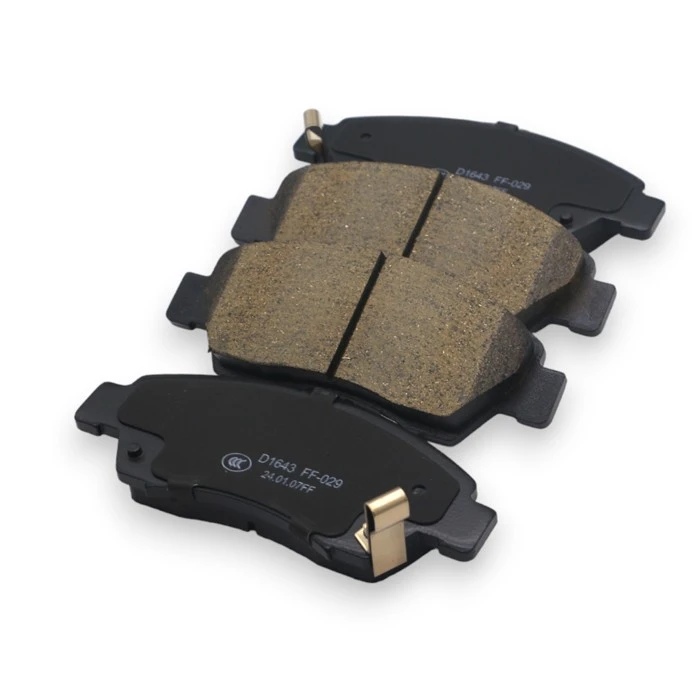
If you are interested in learning more about our organic disc brake pads or would like to discuss your specific brake pad needs, I encourage you to reach out for a purchasing negotiation. We are committed to providing high - quality products and excellent customer service to meet your requirements.
References
- "Automotive Brake Systems: Fundamentals, Modeling, and Control" by Lars Eriksson and Lars Nielsen
- "Vehicle and Engine Technology" by John Crolla
- Various industry reports and research papers on automotive brake pads