

In the automotive industry, the choice between ceramic and semi - metallic front brake linings is a crucial decision for both vehicle manufacturers and consumers. As a front brake lining supplier, I have witnessed firsthand the evolving preferences and the technological advancements in these two types of brake linings. This blog aims to delve into the characteristics of ceramic and semi - metallic front brake linings, comparing their performance, durability, and other key aspects to determine which one is better.
Performance
Stopping Power
Semi - metallic brake linings have long been known for their excellent stopping power. They are composed of a mixture of metal fibers (such as steel, copper, and iron) along with other friction materials. The metal fibers provide high heat conductivity, which allows the brake system to dissipate heat quickly during heavy braking. This results in consistent and strong braking performance, even under high - stress conditions like sudden stops or continuous downhill driving.
On the other hand, ceramic brake linings offer a more refined braking experience. They are made from ceramic fibers and other non - metallic materials. While their initial bite might not be as aggressive as semi - metallic linings, they provide smooth and progressive braking. The friction coefficient of ceramic brake linings remains relatively stable across a wide range of temperatures, which means that the braking performance is consistent whether the brakes are cold or hot. This can be particularly beneficial for daily driving, where a more predictable and comfortable braking feel is desired.
Noise and Vibration
One of the significant advantages of ceramic front brake linings is their quiet operation. The ceramic materials used in these linings are designed to reduce noise and vibration during braking. This is because ceramic has a more uniform structure compared to the metal fibers in semi - metallic linings. The smooth interaction between the ceramic brake lining and the brake rotor minimizes the chances of generating high - pitched squeals or vibrations, providing a quieter and more comfortable driving experience.
Semi - metallic brake linings, however, are more prone to noise and vibration issues. The metal fibers can sometimes cause uneven contact with the rotor, leading to noise and vibrations, especially when the brakes are cold or under heavy use. Although modern semi - metallic formulations have made significant improvements in reducing noise, ceramic linings still hold an edge in this regard.
Durability
Wear Resistance
Ceramic brake linings are generally more wear - resistant than semi - metallic ones. The ceramic materials are harder and more stable, which means they can withstand the friction and heat generated during braking without wearing down quickly. This results in a longer service life for ceramic brake linings, reducing the frequency of brake lining replacements.
Semi - metallic brake linings, while also durable, tend to wear out faster, especially in high - performance applications. The metal fibers in semi - metallic linings can cause more abrasion to the brake rotor over time. This not only shortens the lifespan of the brake linings but also may require more frequent rotor resurfacing or replacement.

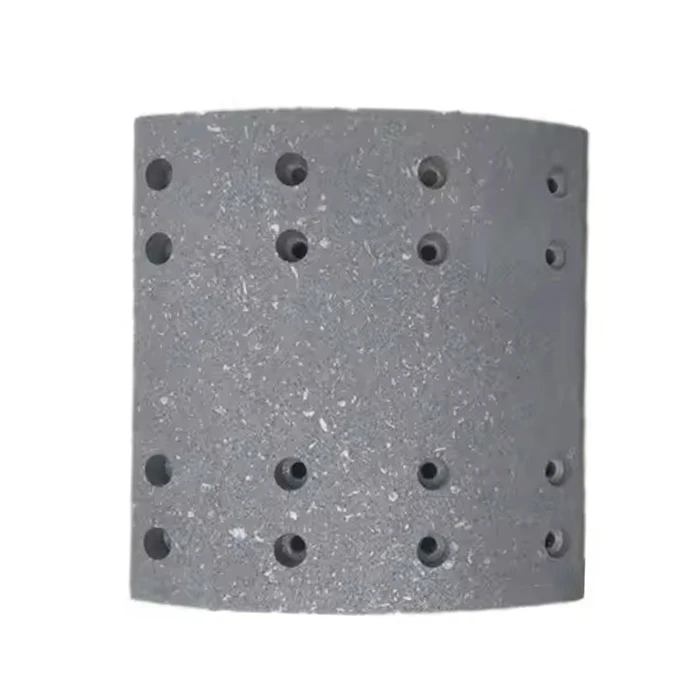
Heat Resistance
Both ceramic and semi - metallic brake linings need to withstand high temperatures generated during braking. Semi - metallic linings have good heat - dissipation properties due to the presence of metal fibers. However, at extremely high temperatures, the metal fibers can start to oxidize and lose their effectiveness, leading to a phenomenon known as brake fade. Brake fade is a reduction in braking performance caused by the overheating of the brake components.
Ceramic brake linings have excellent heat resistance. The ceramic materials can maintain their structural integrity and friction properties at very high temperatures. This means that they are less likely to experience brake fade, even under extreme driving conditions. As a result, ceramic brake linings can provide more reliable braking performance in situations where the brakes are subjected to intense heat, such as racing or towing heavy loads.
Environmental Impact
Dust Generation
Ceramic front brake linings produce significantly less dust compared to semi - metallic ones. The dust generated by semi - metallic brake linings is mainly composed of metal particles, which can be harmful to the environment and also cause aesthetic issues by dirtying the wheels. The low - dust characteristic of ceramic brake linings not only keeps the wheels cleaner but also reduces the amount of particulate matter released into the air.
Material Composition
From a material perspective, ceramic brake linings are often considered more environmentally friendly. They are made from non - toxic and non - asbestos materials, which are less harmful to human health and the environment. Semi - metallic linings, although they do not contain asbestos in modern formulations, still have a higher metal content, which may have a greater environmental impact during the manufacturing and disposal processes.
Cost Considerations
Initial Cost
Ceramic brake linings are generally more expensive than semi - metallic ones. The cost of the ceramic materials and the advanced manufacturing processes required to produce them contribute to the higher price tag. However, it's important to consider the long - term cost benefits.
Long - Term Cost
As mentioned earlier, ceramic brake linings have a longer service life and produce less wear on the brake rotors. This means that the overall cost of ownership over time may be lower, as there will be fewer brake lining replacements and potentially less rotor maintenance. Semi - metallic brake linings, while cheaper upfront, may end up costing more in the long run due to more frequent replacements and rotor work.
Conclusion
So, are ceramic front brake linings better than semi - metallic ones? The answer depends on the specific needs and preferences of the user. If you are looking for a quiet, low - dust, and long - lasting brake lining for daily driving, ceramic brake linings are an excellent choice. They offer smooth braking performance, minimal noise, and reduced environmental impact.
On the other hand, if you need high - performance braking for racing, towing, or other heavy - duty applications, semi - metallic brake linings may be more suitable. Their strong stopping power and heat - dissipation capabilities make them ideal for situations where extreme braking performance is required.
As a front brake lining supplier, we offer a wide range of Front Brake Lining options, including both ceramic and semi - metallic types. We also provide Trailer Brake Lining and Brake Lining Set to meet different customer requirements.
If you are interested in learning more about our products or have specific needs for your brake lining requirements, we encourage you to contact us. Our team of experts is ready to assist you in making the right choice for your vehicles. Whether you are a vehicle manufacturer, a repair shop, or an individual consumer, we can provide you with high - quality brake linings and professional advice.
References
- Bosch Automotive Handbook, 7th Edition
- SAE International Publications on Brake Technology
- Various research papers on automotive friction materials from academic journals