

Are brake linings and brake pads the same thing? This question often pops up among vehicle owners, mechanics, and even industry insiders. As a brake lining supplier, I've encountered this query numerous times, and it's high time to shed some light on this topic.
Let's start by understanding the basic functions of both brake linings and brake pads. They are crucial components in a vehicle's braking system, and their primary role is to create friction. When you press the brake pedal, this friction is what slows down or stops the vehicle. However, their similarities end there, and a closer look reveals distinct differences.
Brake linings are typically associated with drum brake systems. In a drum brake setup, the brake linings are attached to brake shoes. When the brake pedal is pressed, the brake shoes expand, pushing the brake linings against the inner surface of the brake drum. This contact generates the necessary friction to slow down the vehicle. Brake linings are often made from a combination of materials, including asbestos (although its use has been phased out due to health risks), semi - metallic compounds, and ceramic materials. The choice of material depends on factors such as the vehicle's weight, intended use, and performance requirements.
On the other hand, brake pads are used in disc brake systems. Disc brakes are more commonly found in modern vehicles, especially in the front wheels. Brake pads are located on either side of a brake disc (also known as a rotor). When the brake pedal is depressed, the caliper squeezes the brake pads against the rotating brake disc. This action creates friction, which in turn slows down or stops the vehicle. Similar to brake linings, brake pads can be made from various materials, such as organic, semi - metallic, and ceramic compounds.
One of the key differences between brake linings and brake pads lies in their design and installation. Brake linings are designed to fit inside a drum, and their shape is curved to match the inner surface of the drum. Installation of brake linings involves carefully attaching them to the brake shoes and then fitting the shoes into the drum. This process can be a bit more labor - intensive compared to installing brake pads.
Brake pads, however, are flat and are relatively easier to install. They are simply inserted into the caliper, which holds them in place. The caliper design allows for quick and straightforward replacement, making brake pad changes a common DIY project for many vehicle owners.
Another difference is in their performance characteristics. Brake linings in drum brakes tend to provide a more gradual braking force. They are well - suited for applications where a smooth and consistent braking action is required, such as in heavy - duty trucks. Heavy trucks often rely on drum brakes with Heavy Truck Brake Linings because they can handle the high torque and weight of the vehicle.
Brake pads in disc brakes, on the other hand, offer more immediate and powerful braking. Disc brakes are more efficient at dissipating heat, which is crucial during repeated or heavy braking. This heat dissipation ability makes disc brakes ideal for high - performance vehicles and those that require rapid deceleration, such as sports cars.
In terms of durability, both brake linings and brake pads have their own lifespans. The lifespan of brake linings can vary depending on the driving conditions, vehicle usage, and the quality of the lining material. In general, brake linings in drum brakes may last longer in some cases, especially if the vehicle is driven under normal conditions. However, they may require more frequent adjustments to maintain proper braking performance.
Brake pads, due to their exposure to the elements and the high - stress nature of disc brakes, may need to be replaced more often. But with advancements in material technology, modern brake pads can offer excellent durability and performance.
Now, let's talk about the market demand for brake linings and brake pads. Despite the increasing popularity of disc brakes, drum brakes and their associated brake linings still have a significant market share. Many older vehicles, commercial trucks, and some trailers still use drum brakes. This means that there is a continuous need for Brake Lining Set and individual brake linings.
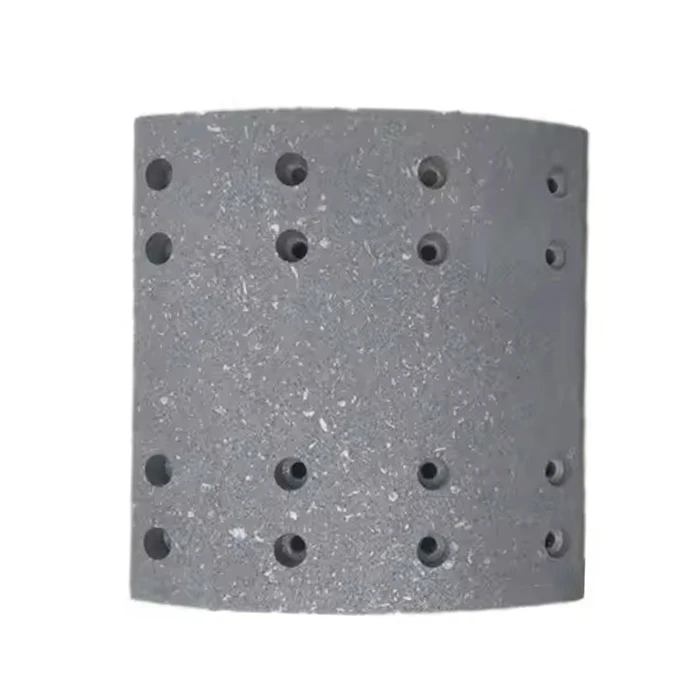

For those who own vehicles with front disc brakes, Front Brake Lining (although the term is a bit of a misnomer as it's usually brake pads in the front disc brakes) is an essential part of vehicle maintenance. Whether you're a vehicle owner looking to replace worn - out components or a mechanic in need of reliable parts, understanding the difference between brake linings and brake pads is crucial for making the right choice.
As a brake lining supplier, I understand the importance of providing high - quality products. Our brake linings are manufactured using the latest technology and the best materials available. We ensure that our products meet or exceed industry standards, providing reliable and long - lasting performance.
If you're in the market for brake linings or have any questions about the differences between brake linings and brake pads, don't hesitate to reach out. We're here to assist you in making the right decision for your vehicle. Whether you need a Brake Lining Set for your heavy - duty truck or a set of front brake pads for your car, we can provide you with the right solution. Contact us today to start the procurement process and experience the difference our products can make.
References
- Haynes, John. "Haynes Automotive Repair Manuals." Multiple editions covering various vehicle models, providing in - depth information on brake systems.
- Chilton, John. "Chilton's Auto Repair Manuals." These manuals offer detailed guidance on brake system maintenance and repair, including information on brake linings and brake pads.
- SAE International. Various technical papers and standards related to automotive brake systems, which provide scientific and industry - specific knowledge on brake linings and brake pads.